What Is a Shower Liner? Everything Homeowners Need to Know About Waterproof Bathroom Protection

Discover how shower liners protect your bathroom and why proper waterproofing is essential for long-term durability.

Bathrooms are constantly exposed to moisture, making waterproofing one of the most important components of any remodeling project. While homeowners often focus on tiles, fixtures, and shower doors, many overlook one essential element hidden beneath the surface. If you’ve ever asked what is a shower liner, understanding its purpose can help you protect your bathroom from long-term water damage.

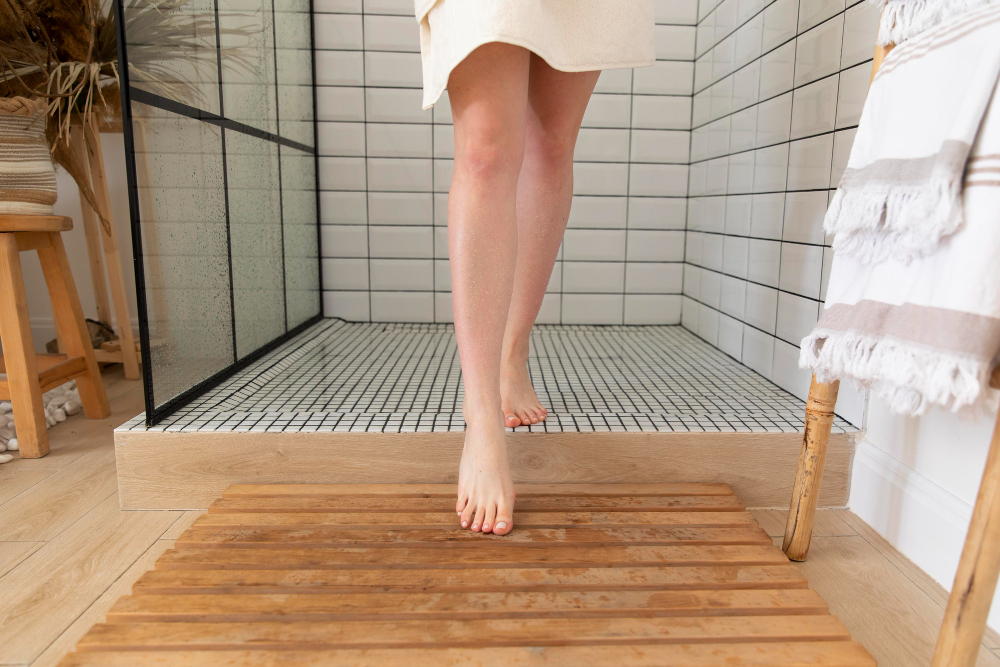
A shower liner is a waterproof barrier installed beneath shower floors and walls to prevent water from reaching structural materials underneath. It serves as a critical defense system that helps preserve the integrity of your home while extending the lifespan of the bathroom.

Why Waterproofing Matters in Bathrooms

Bathrooms experience daily exposure to water and humidity. Without proper waterproofing systems, moisture can penetrate hidden areas and gradually cause structural damage.

Effective waterproofing helps protect:

  • Subfloors
  • Wall framing
  • Insulation
  • Drywall
  • Adjacent rooms

Proper moisture management is essential for maintaining a healthy and durable home.

What Exactly Is a Shower Liner?

A shower liner is a waterproof membrane placed underneath shower flooring materials. Its purpose is to create a barrier that directs any penetrating moisture toward the drain rather than allowing it to reach the home’s structure.

Even professionally installed tile is not entirely waterproof, which is why an additional protective layer is necessary.

How a Shower Liner Works

Water may occasionally pass through grout lines or tiny surface openings during normal use. The liner sits beneath the visible materials and safely channels that moisture away.

Homeowners researching shower pan liner systems often discover that these hidden components are among the most important elements of shower construction.

A Properly Installed Liner Helps:

  • Prevent leaks
  • Protect structural materials
  • Support drainage systems
  • Reduce moisture buildup
  • Extend shower lifespan

These benefits contribute significantly to long-term bathroom durability.

Where Is the Shower Liner Installed?

The liner is installed beneath the shower floor and around critical transition points that may be vulnerable to water intrusion.

It is positioned before the final flooring materials are installed and integrated into the overall drainage system.

Why Tile Alone Is Not Enough

Many homeowners mistakenly assume tile surfaces are completely waterproof. In reality, grout joints and small imperfections can allow moisture to travel beneath the visible surface.

This is why professional waterproofing systems remain essential regardless of tile selection.

Types of Shower Liners

Several waterproofing systems are available depending on project requirements and installation methods.

Common options include:

  • PVC membranes
  • CPE membranes
  • Sheet waterproofing systems
  • Liquid waterproofing products

Material selection depends on design preferences and construction requirements.

Signs of Shower Waterproofing Problems

Waterproofing issues often develop gradually and may remain hidden for long periods.

Warning signs can include:

  • Persistent moisture odors
  • Water stains
  • Soft flooring
  • Discolored grout
  • Unexpected leaks

Early detection helps prevent larger repair projects.

Professional Installation Is Essential

Shower waterproofing requires precision because even small installation errors may lead to future leaks.

Professional installation helps ensure:

  • Proper drainage slopes
  • Accurate liner placement
  • Reliable waterproofing
  • Long-term performance

Skilled workmanship protects both the bathroom and surrounding areas.

Modern Bathrooms Prioritize Waterproofing

Today’s remodeling projects place significant emphasis on moisture control because prevention is far more cost-effective than future repairs.

Modern waterproofing systems contribute to safer and more durable bathrooms.

Shower Liners Support Long-Term Home Value

Buyers often appreciate bathrooms that demonstrate quality construction and professional installation.

Proper waterproofing helps preserve both structural integrity and overall property appeal.

Who Benefits Most from a Proper Shower Liner?

Every homeowner benefits from effective waterproofing, especially those who:

  • Are remodeling older bathrooms
  • Install custom showers
  • Use tile extensively
  • Plan long-term ownership
  • Prioritize durability

These households often see the greatest long-term value from quality waterproofing systems.

Understanding Modern Waterproof Solutions

Homeowners researching shower waterproof liner options often discover that investing in hidden protective systems is one of the smartest decisions during a bathroom renovation.

While invisible after construction is complete, these components play a vital role every day.

Final Thoughts: What Is a Shower Liner?

A shower liner is one of the most important hidden components of a bathroom. It protects your home from moisture damage, supports drainage systems, and helps preserve structural integrity for years to come.

Whether you’re building a new shower or renovating an existing bathroom, investing in professional waterproofing and proper liner installation can prevent costly repairs while creating a safer and more durable living environment.

what is a shower liner

Continue Reading →

Water Dripping From Ceiling: Causes, Warning Signs, and What Homeowners Should Do

Discover the most common causes of ceiling leaks and what homeowners should do to prevent costly repairs.

Discovering water dripping from ceiling areas can be alarming for any homeowner. Even a small leak may indicate a much larger issue hidden behind walls, above ceilings, or within plumbing systems. Ignoring the problem can lead to costly repairs, structural damage, and long-term moisture concerns.

While occasional condensation may seem harmless, persistent water leaks should always be investigated immediately. Understanding the common causes, warning signs, and available solutions can help homeowners respond quickly and minimize potential damage.

Why Ceiling Leaks Should Never Be Ignored

Water has the ability to spread rapidly through building materials. By the time a leak becomes visible, moisture may have already traveled through insulation, drywall, or framing components.

Early intervention is essential because water exposure can affect:

  • Ceiling materials
  • Wall structures
  • Flooring systems
  • Electrical components
  • Interior finishes

Addressing problems quickly can help reduce repair costs and prevent further complications.

Common Causes of Water Dripping From a Ceiling

Ceiling leaks can originate from several sources depending on the home’s layout and mechanical systems.

Common causes include:

  • Plumbing leaks
  • Roof damage
  • Bathroom fixture failures
  • HVAC condensation
  • Improper waterproofing

Identifying the source is the first step toward resolving the issue.

Bathroom Leaks Are Frequently Responsible

Bathrooms are one of the most common sources of ceiling leaks because they contain numerous water fixtures and plumbing connections.

Homeowners investigating a ceiling water leak often discover that an upstairs bathroom is involved.

Potential Bathroom Sources Include:

  • Shower drains
  • Bathtub plumbing
  • Sink connections
  • Toilet seals
  • Water supply lines

Even minor leaks can gradually create larger issues over time.

Roof Problems Can Cause Interior Water Damage

Damaged roofing materials may allow water to enter the home during storms. Once inside, moisture can travel considerable distances before becoming visible.

Common roof-related issues include:

  • Damaged shingles
  • Worn flashing
  • Blocked drainage systems
  • Roof penetrations

Regular roof inspections help reduce these risks.

HVAC Systems Can Produce Condensation Problems

Air conditioning systems generate condensation during operation. If drain lines become blocked or components malfunction, excess moisture may accumulate and leak into surrounding areas.

Proper maintenance helps prevent these issues.

Warning Signs Often Appear Before Active Dripping

Ceiling leaks rarely appear without earlier indications. Homeowners should watch for subtle warning signs that may signal hidden moisture problems.

Common Warning Signs Include:

  • Water stains
  • Discoloration
  • Peeling paint
  • Sagging drywall
  • Persistent odors

Recognizing these symptoms early may help prevent larger repairs.

What Should You Do Immediately?

Homeowners should act quickly when water becomes visible.

Immediate steps may include:

  • Move furniture away from affected areas
  • Place containers under active leaks
  • Turn off nearby electricity if necessary
  • Inspect accessible plumbing fixtures
  • Contact professionals promptly

Quick action can help reduce the extent of the damage.

Professional Inspection Is Essential

Water often travels far from its original source, making diagnosis difficult without specialized knowledge.

Professional evaluations help identify hidden issues and create effective repair plans.

Professional Services Help Provide:

  • Accurate leak detection
  • Comprehensive assessments
  • Long-term repair strategies
  • Preventative recommendations

Expert assistance helps minimize future risks.

Bathroom Remodeling Can Prevent Future Problems

Aging bathrooms often contain outdated waterproofing systems and worn plumbing components. Modern remodeling projects frequently improve moisture management throughout the space.

Updated materials and professional installation can significantly reduce leak potential.

Preventative Maintenance Protects Your Home

Routine inspections are one of the best ways to avoid serious water damage.

Recommended maintenance includes:

  • Checking plumbing connections
  • Inspecting roofing systems
  • Maintaining HVAC equipment
  • Monitoring bathroom fixtures

Preventative care helps identify small issues before they escalate.

Long-Term Water Damage Can Affect Property Value

Unresolved moisture issues may negatively impact both structural integrity and buyer perception. Water stains and repair histories can become concerns during future property sales.

Homeowners researching water leaking through ceiling solutions often discover that prompt action helps preserve long-term value.

Final Thoughts on Water Dripping From Ceiling Problems

Water dripping from a ceiling should always be treated as a serious issue, regardless of how minor it initially appears. Small leaks can quickly develop into larger structural problems if left unaddressed.

By identifying warning signs early, seeking professional assistance, and maintaining critical home systems, homeowners can protect their properties from costly water damage and ensure a safer, healthier living environment for years to come.

water dripping from ceiling

Continue Reading →

Master Bathroom Ideas: Design Inspiration for a Luxurious and Functional Retreat

Explore modern bathroom inspiration that helps create a comfortable and elegant primary suite.

A primary bathroom is no longer viewed as a purely functional space. Today’s homeowners want bathrooms that offer comfort, relaxation, and a sense of luxury while supporting everyday routines. Whether planning a complete renovation or simply gathering inspiration, exploring master bathroom ideas can help transform an ordinary room into a private retreat.

Modern bathroom design emphasizes open layouts, elegant materials, and personalized features that create a spa-like atmosphere. Thoughtful planning can significantly improve both aesthetics and functionality while increasing long-term home value.

Why the Primary Bathroom Matters

The primary bathroom is one of the most frequently used spaces in the home. A well-designed environment can improve comfort, reduce stress, and enhance daily routines.

Homeowners often prioritize:

  • Comfort
  • Organization
  • Relaxation
  • Modern aesthetics
  • Long-term functionality

These priorities have driven many of today’s bathroom design trends.

Open Layouts Create a Spacious Feel

Modern bathrooms often embrace open floor plans that maximize movement and improve visual flow. Eliminating unnecessary barriers can make even moderately sized bathrooms feel larger.

Homeowners searching for primary bathroom design ideas frequently prioritize layouts that create a sense of openness and balance.

Popular Layout Features Include:

  • Double vanities
  • Walk-in showers
  • Freestanding tubs
  • Dedicated storage areas
  • Separate toilet spaces

These elements contribute to a more luxurious and organized environment.

Walk-In Showers Continue to Dominate Trends

Spacious walk-in showers remain one of the most sought-after features in modern bathroom design. Their clean appearance and accessibility benefits make them a practical and elegant choice.

Frameless glass enclosures are especially popular because they create visual continuity throughout the room.

Freestanding Bathtubs Add Luxury

Freestanding tubs have become signature features in upscale bathrooms. Their sculptural appearance allows them to serve as focal points while supporting relaxation and comfort.

Even simple designs can dramatically elevate the overall atmosphere.

Double Vanities Improve Daily Convenience

Shared bathrooms benefit greatly from dual-sink configurations. Double vanities allow multiple users to comfortably prepare for the day without creating congestion.

Additional countertop space also supports organization and functionality.

Neutral Color Palettes Create Timeless Appeal

Color selection has a major impact on the mood of the bathroom. Neutral tones remain popular because they create calming environments that adapt well to changing design trends.

Common choices include:

  • White
  • Soft gray
  • Beige
  • Warm taupe
  • Natural wood accents

These palettes promote a serene and welcoming atmosphere.

Lighting Enhances Both Function and Atmosphere

Effective lighting is essential in every bathroom. Layered lighting solutions help balance task-oriented needs with overall ambiance.

Homeowners often incorporate:

  • Vanity lighting
  • Recessed ceiling lights
  • Accent lighting
  • Natural daylight sources

Proper lighting helps create a more comfortable and luxurious environment.

Storage Solutions Reduce Clutter

Organization is critical for maintaining a relaxing atmosphere. Custom cabinetry and built-in storage systems help keep daily essentials easily accessible while minimizing visual clutter.

Clean surfaces contribute significantly to the overall sense of calm.

Natural Materials Create a Spa-Like Feel

Many homeowners incorporate natural materials to enhance comfort and warmth.

Popular design elements include:

  • Stone-inspired surfaces
  • Wood accents
  • Textured finishes
  • Organic décor

These details help establish a relaxing retreat within the home.

Accessibility Supports Long-Term Living

Modern bathroom planning often includes accessibility considerations that support homeowners for years to come.

Features may include:

  • Curbless showers
  • Wider pathways
  • Comfort-height fixtures
  • Strategically placed support features

These additions improve both convenience and long-term usability.

Professional Design Delivers Better Results

A successful bathroom renovation requires careful planning, accurate measurements, and cohesive design choices.

Professional designers help ensure:

  • Optimized layouts
  • Efficient storage
  • Improved functionality
  • Balanced aesthetics

Expert guidance helps maximize the value of the investment.

Luxury Features Continue to Grow in Popularity

Homeowners seeking luxury master bathroom ideas often incorporate features that elevate comfort and create a personalized retreat.

These upgrades may include heated floors, oversized showers, premium materials, and integrated technology that enhance the overall experience.

Do Primary Bathroom Renovations Increase Home Value?

Updated bathrooms remain one of the most desirable features among prospective buyers. Thoughtful improvements often contribute positively to overall market appeal.

While every project differs, modern and functional bathrooms consistently attract buyer attention.

Final Thoughts on Master Bathroom Ideas

A well-designed primary bathroom should provide more than functionality. It should serve as a comfortable retreat that supports relaxation and enhances everyday life.

By combining smart layouts, luxurious materials, efficient storage, and timeless design elements, homeowners can create beautiful bathrooms that remain functional and attractive for many years to come.

master bathroom ideas

Continue Reading →

Pella vs Andersen Windows: Which Brand Is Better for Your Home?

Learn the differences between Pella and Andersen windows to choose the right option for your home.

Choosing replacement windows is one of the most important decisions homeowners make during an exterior renovation project. Windows influence energy efficiency, natural light, comfort, curb appeal, and long-term property value. With numerous manufacturers available, two names consistently stand out in the industry. Many homeowners ask Pella vs Andersen windows when trying to determine which option is best for their home.

Both companies have built strong reputations for quality, innovation, and design flexibility. However, each brand offers distinct advantages that may appeal to different homeowners depending on their priorities, budget, and architectural preferences.

Why Choosing the Right Windows Matters

Windows are much more than decorative features. They directly impact a home’s energy performance while contributing significantly to overall aesthetics.

Quality windows help provide:

  • Improved energy efficiency
  • Enhanced natural lighting
  • Greater indoor comfort
  • Reduced exterior noise
  • Stronger curb appeal

Because windows affect both function and appearance, selecting the right manufacturer is an important investment.

An Overview of Pella Windows

Pella is known for offering a broad selection of window styles, materials, and customization options. Homeowners often appreciate the company’s ability to accommodate both traditional and contemporary architectural designs.

Pella products are commonly associated with:

  • Design flexibility
  • Energy-efficient options
  • Multiple material choices
  • Modern technologies
  • Architectural versatility

These features have helped make Pella a popular choice among homeowners nationwide.

An Overview of Andersen Windows

Andersen has developed a reputation for durability and innovative manufacturing. Many homeowners value its wide range of premium products that balance performance with aesthetics.

Andersen products are often recognized for:

  • Long-term durability
  • Innovative materials
  • Strong weather resistance
  • Premium construction
  • Architectural elegance

These qualities contribute to Andersen’s strong position within the industry.

Design Flexibility: Both Brands Offer Extensive Options

One of the biggest advantages of both manufacturers is their wide variety of design possibilities. Homeowners can select windows that complement numerous architectural styles.

Homeowners comparing Pella versus Andersen windows often prioritize customization capabilities because every home has unique requirements.

Popular Window Styles Include:

  • Double-hung windows
  • Casement windows
  • Awning windows
  • Picture windows
  • Sliding windows

Both brands offer solutions suitable for traditional and contemporary homes.

Energy Efficiency Is a Major Consideration

Modern windows are designed to support indoor comfort and help reduce energy loss. High-performance glass packages and advanced technologies contribute to improved thermal performance.

Homeowners should evaluate available energy-efficient options when making comparisons.

Material Choices Influence Long-Term Performance

Window frame materials significantly impact durability and maintenance requirements.

Common options include:

  • Wood
  • Fiberglass
  • Composite materials
  • Vinyl
  • Wood-clad options

Material selection depends on climate conditions, aesthetic preferences, and maintenance expectations.

Durability Supports Long-Term Value

Replacement windows are long-term investments that should provide reliable performance for many years.

Both Pella and Andersen offer products designed to withstand weather exposure while maintaining their appearance.

Maintenance Requirements Vary by Product Line

Different frame materials require different levels of care. Some products prioritize low maintenance, while others emphasize traditional aesthetics.

Homeowners should consider:

  • Cleaning requirements
  • Long-term upkeep
  • Material durability
  • Climate compatibility

Understanding maintenance expectations helps homeowners make informed decisions.

Professional Installation Is Essential

Even premium windows depend on proper installation to perform effectively. Accurate measurements and expert installation techniques are critical for long-term success.

Professional installation helps ensure:

  • Improved energy performance
  • Enhanced weather protection
  • Proper sealing
  • Long-term durability

Skilled workmanship protects both comfort and investment value.

How Do Costs Compare?

Pricing varies depending on materials, product lines, glass packages, and customization levels. Rather than focusing solely on upfront costs, homeowners should evaluate long-term value.

Looking at durability, maintenance, and energy performance often provides a more complete picture.

Which Brand Adds More Home Value?

Updated windows are highly desirable among prospective buyers because they contribute to both aesthetics and energy efficiency.

Homeowners researching an Andersen vs Pella comparison often find that both brands can positively influence overall property appeal.

Who Should Choose Pella?

Pella may be especially suitable for homeowners who:

  • Prioritize customization
  • Want extensive style options
  • Prefer flexible design solutions
  • Seek modern aesthetics

Who Should Choose Andersen?

Andersen may appeal to homeowners who:

  • Prioritize durability
  • Want premium materials
  • Value long-term performance
  • Prefer established product lines

Final Thoughts on Pella vs Andersen Windows

There is no universal winner when comparing Pella and Andersen windows. Both brands offer exceptional products that can improve comfort, energy efficiency, and curb appeal.

The best choice ultimately depends on your home’s architectural style, maintenance preferences, budget, and long-term goals. By carefully evaluating your priorities and working with experienced professionals, you can select windows that provide lasting value and enhance your home’s beauty for many years.

Pella vs Andersen windows

Continue Reading →

Cabinet Soffit Guide: Should You Keep, Remove, or Redesign This Kitchen Feature?

Explore cabinet soffit ideas that improve kitchen storage, aesthetics, and overall functionality.

Kitchen remodeling projects often reveal architectural elements that homeowners may not fully understand until renovation begins. One common feature that raises questions is the soffit located above upper cabinets. Many homeowners researching cabinet soffit options wonder whether they should keep, remove, or redesign this area during a kitchen upgrade.

While cabinet soffits were once a standard design element in many homes, modern remodeling trends have introduced new ways to incorporate them into contemporary kitchen layouts. Understanding their purpose and available design solutions can help homeowners make informed decisions that improve both aesthetics and functionality.

What Is a Cabinet Soffit?

A cabinet soffit is the enclosed space located between the top of the upper kitchen cabinets and the ceiling. In many homes, this area was originally constructed to conceal structural components, plumbing lines, ductwork, or electrical wiring.

Although some soffits serve an important functional purpose, others are simply decorative architectural elements that can be redesigned during a remodel.

Why Were Cabinet Soffits Originally Installed?

Cabinet soffits became popular because they helped builders simplify construction while hiding mechanical systems and creating a finished appearance.

Common purposes include:

  • Concealing plumbing lines
  • Hiding electrical wiring
  • Covering HVAC components
  • Creating visual continuity
  • Closing gaps above cabinets

Understanding the original purpose is the first step before deciding whether to remove or redesign a soffit.

Modern Kitchens Often Reevaluate Soffits

Today’s kitchen designs frequently emphasize openness, taller cabinetry, and cleaner lines. As a result, many homeowners reconsider existing soffits during remodeling projects.

Homeowners exploring cabinet bulkhead solutions often discover that modern design approaches can transform previously unused spaces into attractive features.

Popular Remodeling Approaches Include:

  • Removing unnecessary soffits
  • Extending cabinets to the ceiling
  • Adding decorative trim
  • Integrating lighting features
  • Redesigning the bulkhead area

These upgrades can significantly improve the appearance of the kitchen.

Should You Remove a Cabinet Soffit?

The answer depends on whether the soffit contains essential mechanical systems. Professional evaluation is recommended before demolition begins.

Removal may be possible if the soffit is empty and serves only a decorative purpose.

Benefits of Removing a Soffit

Removing unnecessary soffits can dramatically alter the appearance of the kitchen.

Potential advantages include:

  • Creating a larger visual space
  • Installing taller cabinets
  • Increasing storage capacity
  • Modernizing the kitchen
  • Enhancing natural light flow

These improvements often help kitchens feel more open and contemporary.

Redesigning Instead of Removing

In some situations, removing a soffit may not be practical. Fortunately, homeowners can redesign the area to better integrate it into the overall kitchen aesthetic.

Decorative treatments can transform soffits from outdated features into intentional design elements.

Cabinet Extensions Create a Seamless Look

Extending cabinetry to meet the ceiling has become a popular remodeling strategy. This approach reduces visual interruptions and provides additional storage opportunities.

Taller cabinets also contribute to a more luxurious appearance.

Lighting Enhances the Space

Integrated lighting can make soffits more visually appealing while improving overall kitchen functionality.

Homeowners may incorporate:

  • LED accent lighting
  • Indirect ceiling illumination
  • Decorative fixtures
  • Task lighting enhancements

These additions create a more inviting atmosphere.

Professional Planning Is Essential

Because soffits may conceal important infrastructure, professional assessment is critical before making modifications.

Professional remodeling teams help ensure:

  • Safe structural evaluation
  • Proper mechanical system identification
  • Accurate measurements
  • Improved design integration

Expert planning helps avoid costly surprises during construction.

Modern Kitchen Trends Favor Cohesive Design

Today’s kitchens prioritize clean lines and visual consistency. Homeowners researching cabinet bulkhead soffit ideas often seek ways to integrate these architectural elements into a more unified design.

Thoughtful updates help create kitchens that feel both spacious and sophisticated.

Do Cabinet Soffit Upgrades Increase Home Value?

Updated kitchens remain one of the most attractive features for prospective buyers. Modern cabinetry and improved layouts often contribute positively to buyer perception.

While every project differs, kitchen improvements frequently support overall market appeal.

Final Thoughts on Cabinet Soffits

Cabinet soffits no longer have to be viewed as outdated or unnecessary obstacles. With proper planning, they can either be removed, redesigned, or incorporated into a more modern kitchen layout.

By understanding their purpose and exploring available design options, homeowners can transform this overlooked architectural feature into an opportunity to improve both storage and visual appeal. Whether choosing removal or redesign, thoughtful planning will help create a kitchen that feels larger, brighter, and more functional for years to come.

cabinet soffit

Continue Reading →

What Is Lap Siding? A Complete Guide to One of the Most Popular Exterior Materials

Discover the benefits, materials, and design flexibility that make lap siding one of the most popular exterior options.

Exterior siding has a significant impact on a home’s appearance, durability, and long-term value. Among the many siding options available today, lap siding remains one of the most widely used choices because of its timeless look and versatility. Many homeowners ask what is lap siding when planning a renovation or building a new home because it continues to be a trusted solution for both traditional and contemporary properties.

Lap siding is recognized for its horizontal installation pattern and clean architectural lines. It offers a balance of aesthetics, weather protection, and design flexibility that has kept it popular for decades.

What Exactly Is Lap Siding?

Lap siding consists of long boards installed horizontally with each board overlapping the one below it. This overlapping design helps create effective water runoff while producing a distinctive layered appearance.

The material can be manufactured from various products, allowing homeowners to choose solutions that fit their budgets, climates, and maintenance preferences.

Why Homeowners Continue to Choose Lap Siding

Exterior materials should provide both protection and visual appeal. Lap siding succeeds because it offers a timeless appearance that works well across many architectural styles.

Popular advantages include:

  • Classic curb appeal
  • Versatile design options
  • Effective water management
  • Long-term durability
  • Broad material selection

These benefits help explain why lap siding remains one of the most frequently chosen exterior solutions.

Horizontal Installation Creates Timeless Appeal

One of the defining characteristics of lap siding is its horizontal arrangement. This design creates clean lines that visually widen the home and produce a balanced exterior appearance.

Homeowners researching horizontal lap siding often appreciate how it complements both traditional and modern architectural designs.

Popular Architectural Styles Include:

  • Farmhouse
  • Colonial
  • Craftsman
  • Coastal
  • Contemporary

This versatility allows lap siding to remain attractive across changing design trends.

Multiple Material Options Are Available

Modern lap siding is available in several material types, each offering unique advantages.

Common options include:

  • Wood
  • Fiber cement
  • Engineered wood
  • Vinyl
  • Composite materials

Material selection depends on climate conditions, maintenance expectations, and personal preferences.

Weather Protection Is One of Its Biggest Advantages

The overlapping design of lap siding helps direct water away from the structure. Proper installation contributes significantly to protecting the home’s exterior envelope.

Effective moisture management supports long-term structural integrity.

Color Choices Enhance Exterior Design

Lap siding offers homeowners extensive color flexibility. Neutral shades remain popular because they create timeless appeal and work well with various architectural elements.

Thoughtful color coordination can dramatically improve curb appeal.

Maintenance Requirements Vary by Material

Different siding materials require different levels of care. Some products require periodic repainting, while others offer low-maintenance performance.

Routine upkeep may include:

  • Cleaning exterior surfaces
  • Inspecting for damage
  • Maintaining protective finishes
  • Addressing repairs promptly

Consistent maintenance helps extend the lifespan of the siding.

Lap Siding Can Increase Home Value

Attractive exteriors contribute significantly to a property’s overall presentation. Updated siding often creates strong first impressions among prospective buyers.

Well-maintained exteriors may positively influence market appeal and buyer interest.

Professional Installation Is Critical

Proper installation ensures siding performs as intended. Accurate spacing, moisture barriers, and fastening techniques all contribute to long-term success.

Professional installation helps provide:

  • Reliable weather protection
  • Enhanced durability
  • Professional appearance
  • Long-term performance

Skilled workmanship protects the overall investment.

How Does Lap Siding Compare to Other Exterior Materials?

Homeowners often compare lap siding to vertical panels, shingles, and other exterior systems. One of its greatest strengths is its adaptability across many design styles.

Those exploring lap board siding ideas frequently appreciate its ability to blend traditional charm with modern design preferences.

Who Benefits Most from Lap Siding?

Lap siding is often ideal for homeowners who:

  • Prefer timeless aesthetics
  • Want broad design flexibility
  • Value long-term durability
  • Plan future resale opportunities
  • Desire reliable weather protection

These homeowners often find lap siding to be an excellent long-term investment.

Final Thoughts: What Is Lap Siding?

Lap siding remains one of the most trusted and versatile exterior materials available today. Its horizontal design, weather-resistant properties, and timeless appearance make it suitable for a wide range of architectural styles.

Whether building a new home or upgrading an existing exterior, lap siding offers homeowners a durable and attractive solution that can provide long-term value, enhanced curb appeal, and dependable protection for years to come.

what is lap siding

Continue Reading →

Sentrel Bath Systems: A Modern Solution for Durable and Stylish Bathroom Remodeling

Learn why Sentrel Bath Systems are a popular choice for homeowners seeking beautiful and practical bathroom upgrades.

Bathroom remodeling projects have evolved significantly in recent years as homeowners seek solutions that combine beauty, durability, and low maintenance. One option that has gained popularity is Sentrel Bath Systems. These systems offer an efficient way to transform outdated bathrooms while creating elegant spaces that are designed for everyday use.

Sentrel products are known for combining realistic natural stone aesthetics with modern manufacturing technology. Homeowners who want a luxurious appearance without the extensive maintenance associated with traditional materials often consider these systems an attractive alternative.

What Are Sentrel Bath Systems?

Sentrel Bath Systems are engineered wall and shower solutions designed to enhance both the appearance and functionality of bathrooms. Their surfaces are created to resemble natural stone while providing easier maintenance and long-term durability.

These systems are commonly used in bathroom remodeling projects because they provide a balance between luxury aesthetics and practical performance.

Why Homeowners Choose Sentrel Systems

Modern homeowners often prioritize materials that simplify maintenance while delivering sophisticated design. Sentrel systems meet these expectations by offering attractive finishes that support daily living.

Popular reasons homeowners choose Sentrel include:

  • Elegant appearance
  • Durable construction
  • Low-maintenance surfaces
  • Quick installation possibilities
  • Long-lasting performance

These benefits make Sentrel a popular option for both full bathroom renovations and targeted upgrades.

Stone-Like Aesthetics Without Extensive Maintenance

Natural stone remains a desirable design element in bathrooms, but it often requires regular sealing and ongoing maintenance. Sentrel systems offer a similar visual appeal while simplifying upkeep.

Homeowners exploring Sentrel shower systems often appreciate their ability to replicate high-end finishes while reducing maintenance demands.

Popular Design Benefits Include:

  • Natural stone-inspired patterns
  • Contemporary textures
  • Neutral color palettes
  • Luxury aesthetics
  • Timeless visual appeal

These design options allow bathrooms to maintain an elegant appearance for years.

Durability Supports Everyday Use

Bathrooms experience constant moisture exposure and daily use. Materials selected for these environments must be durable enough to withstand long-term wear.

Sentrel systems are designed to support everyday household activities while maintaining their appearance over time.

Low-Maintenance Surfaces Simplify Cleaning

One of the biggest advantages of modern bathroom systems is their ability to reduce cleaning requirements. Smooth surfaces make routine maintenance easier and more efficient.

Homeowners can often maintain a fresh appearance using simple cleaning methods and regular upkeep.

Bathrooms Feel More Spacious and Luxurious

Large wall panels create visual continuity that can make bathrooms feel larger and more open. Fewer interruptions in the design contribute to a cleaner and more sophisticated atmosphere.

This seamless presentation helps create spa-inspired environments that promote relaxation.

Shower Areas Benefit Significantly

Shower spaces are among the most heavily used areas in a bathroom. Upgrading these sections with durable materials helps improve both functionality and aesthetics.

Many homeowners invest in Sentrel shower surrounds to create attractive shower environments that are easier to maintain than traditional tile installations.

Accessibility Can Be Incorporated Into the Design

Modern remodeling projects often include accessibility considerations that support long-term comfort and safety.

Homeowners may integrate features such as:

  • Low-threshold entries
  • Built-in seating
  • Grab bar accommodations
  • Enhanced lighting

These additions help create bathrooms that remain functional for years to come.

Professional Installation Is Essential

Proper installation is critical for maximizing the lifespan and performance of any bathroom system. Precise measurements and expert workmanship help ensure lasting results.

Professional installation helps provide:

  • Reliable waterproofing
  • Proper alignment
  • Enhanced durability
  • Professional appearance

Skilled installation protects both aesthetics and functionality.

Sentrel Supports Modern Bathroom Design Trends

Today’s bathrooms prioritize clean lines, neutral palettes, and simplified layouts. Sentrel systems complement these trends while maintaining timeless appeal.

Their versatility allows homeowners to create designs that remain attractive even as trends evolve.

Do Sentrel Bath Systems Increase Home Value?

Updated bathrooms remain highly desirable among prospective buyers. Modern materials that demonstrate thoughtful planning and easy maintenance can positively influence buyer perception.

Attractive bathroom upgrades often contribute to stronger overall market appeal.

Who Benefits Most from Sentrel Bath Systems?

Sentrel may be especially beneficial for homeowners who:

  • Want luxury aesthetics
  • Prefer low-maintenance materials
  • Are remodeling aging bathrooms
  • Need durable shower solutions
  • Value long-term performance

These households often appreciate the balance between style and practicality.

Final Thoughts on Sentrel Bath Systems

Sentrel Bath Systems provide homeowners with an attractive and practical solution for modern bathroom remodeling. Their combination of durability, elegant design, and easy maintenance makes them an excellent option for homeowners seeking long-lasting improvements.

Whether upgrading a shower area or completing a full bathroom renovation, Sentrel systems offer a reliable way to create beautiful, comfortable, and functional spaces that support everyday living.

Sentrel Bath Systems

Continue Reading →

Is Asbestos Siding Dangerous? What Homeowners Need to Know About Safety and Risks

Discover when asbestos siding becomes dangerous and what homeowners should know about safety and removal.

Many older homes contain building materials that were once considered highly durable and effective but are now associated with health concerns. One of the most common examples is asbestos siding. If you’re asking is asbestos siding dangerous, the answer depends largely on its condition and how it is handled.

Asbestos was widely used in construction throughout much of the twentieth century because of its fire resistance, durability, and insulating properties. While intact asbestos siding may not pose an immediate threat, damaged or disturbed materials can create serious health concerns. Understanding the risks allows homeowners to make informed decisions about maintenance, renovation, and replacement.

What Is Asbestos Siding?

Asbestos siding is a cement-based exterior product that contains asbestos fibers. It was commonly installed on residential properties because it was resistant to moisture, insects, and fire.

Many homes built before the 1980s may still have original asbestos-containing materials in place.

Why Was Asbestos So Popular?

At the time, asbestos was considered an innovative building material due to its durability and performance characteristics.

Builders appreciated several advantages:

  • Excellent fire resistance
  • Long-lasting performance
  • Low maintenance requirements
  • Resistance to pests
  • Weather durability

These qualities contributed to its widespread use in residential construction.

When Does Asbestos Become Dangerous?

Intact and undisturbed asbestos siding is often considered relatively stable. Problems typically arise when the material is cut, drilled, broken, sanded, or otherwise disturbed.

Homeowners researching asbestos siding safety concerns should understand that airborne fibers pose the greatest risk.

Activities That May Disturb Asbestos Include:

  • Demolition projects
  • Power washing at high pressure
  • Drilling or cutting panels
  • Sanding surfaces
  • Improper removal methods

Disturbing the material can release microscopic fibers into the air.

Why Are Airborne Fibers a Concern?

Asbestos fibers are extremely small and may become suspended in the air when materials are damaged. Once inhaled, these fibers can remain in the body for long periods of time.

Long-term exposure has been associated with significant health concerns, which is why proper handling procedures are essential.

How Can You Identify Asbestos Siding?

Identifying asbestos siding can be challenging because it often resembles other exterior materials. Visual appearance alone is not enough to confirm its presence.

Characteristics sometimes associated with older asbestos siding include:

  • Rigid cement-like panels
  • Uniform shingle patterns
  • Older construction dates
  • Dense, heavy materials

Professional testing is the only reliable way to confirm whether asbestos is present.

Should You Remove Asbestos Siding?

Removal is not always necessary. If the siding remains in good condition and is undisturbed, some homeowners choose to leave it in place while monitoring its condition.

Decisions should be based on factors such as:

  • Material condition
  • Planned renovations
  • Visible damage
  • Long-term property goals

Professional evaluations help determine the safest course of action.

Encapsulation Is Another Option

In certain situations, encapsulation may be recommended instead of removal. This process involves covering or sealing the existing material to minimize exposure risks.

Encapsulation should only be performed under professional guidance.

Professional Handling Is Essential

Homeowners should never attempt to remove asbestos materials themselves. Improper handling significantly increases the risk of fiber release.

Professional contractors follow strict safety procedures that help minimize exposure during inspection, repair, or removal projects.

Professional Services Help Ensure:

  • Safe containment
  • Proper disposal
  • Regulatory compliance
  • Reduced exposure risks

These measures protect both occupants and surrounding environments.

Home Renovations Require Extra Caution

Exterior remodeling projects may unintentionally disturb older materials. Before beginning any renovation, homeowners should evaluate whether asbestos may be present.

Early identification helps prevent unnecessary exposure and costly project delays.

Understanding Long-Term Health Considerations

Homeowners often search for information about asbestos siding health risks because awareness of potential exposure is essential for making informed decisions.

Proper assessment and professional management significantly reduce potential hazards associated with older building materials.

Does Asbestos Affect Property Value?

Older building materials can influence buyer perceptions during real estate transactions. Some buyers may prefer properties where asbestos has already been professionally addressed.

Documentation and transparency help homeowners navigate these situations more effectively.

Final Thoughts: Is Asbestos Siding Dangerous?

Asbestos siding is not automatically dangerous simply because it exists on a home. The greatest risk occurs when the material becomes damaged or disturbed, allowing fibers to become airborne.

Homeowners should avoid attempting removal themselves and instead consult qualified professionals for inspections, testing, and remediation recommendations. By understanding the risks and taking appropriate precautions, homeowners can safely manage older exterior materials while protecting both their families and their investments.

asbestos siding

Continue Reading →

Why Should I Install a Vessel Sink? Benefits, Style, and Practical Considerations

Learn the benefits of vessel sinks and how they can transform your bathroom into a modern and luxurious space.

Bathroom remodeling projects often focus on upgrading fixtures that improve both functionality and aesthetics. One design feature that has grown significantly in popularity over the past decade is the vessel sink. Many homeowners ask why should I install a vessel sink when considering a bathroom renovation because of its unique appearance and modern appeal.

A vessel sink sits above the countertop instead of being recessed into it, creating a bold visual statement while offering several practical benefits. Whether designing a luxury primary bathroom, a powder room, or a guest bathroom, vessel sinks can provide an elegant focal point that elevates the entire space.

What Is a Vessel Sink?

A vessel sink is a basin that rests on top of a vanity or countertop rather than being mounted beneath it. This design resembles decorative bowls and allows the sink itself to become a prominent design element within the bathroom.

Vessel sinks are available in a wide range of shapes, sizes, and materials that complement both modern and traditional interiors.

Why Homeowners Choose Vessel Sinks

Modern bathroom design emphasizes personalization and visual appeal. Vessel sinks allow homeowners to create unique spaces that reflect their style preferences while maintaining functionality.

Common reasons homeowners choose vessel sinks include:

  • Distinctive appearance
  • Enhanced design flexibility
  • Wide material selection
  • Simple installation options
  • Luxury aesthetics

These qualities have made vessel sinks a favorite feature in contemporary bathroom remodeling projects.

Vessel Sinks Create an Immediate Focal Point

One of the biggest reasons homeowners install vessel sinks is their visual impact. Traditional sinks tend to blend into the vanity, while vessel sinks intentionally stand out.

Homeowners exploring vessel sink benefits often cite their ability to transform an ordinary vanity into a centerpiece.

Popular Design Styles Include:

  • Minimalist modern
  • Contemporary luxury
  • Rustic farmhouse
  • Natural spa-inspired designs
  • Transitional interiors

This versatility makes vessel sinks suitable for various bathroom styles.

Material Options Provide Endless Possibilities

One major advantage of vessel sinks is the wide variety of available materials. Homeowners can choose options that match their desired aesthetic and overall bathroom design.

Popular materials include:

  • Ceramic
  • Porcelain
  • Tempered glass
  • Natural stone
  • Concrete

Each material offers a unique appearance while allowing homeowners to personalize their bathrooms.

Countertop Space Can Be Used Creatively

Vessel sinks open up new design opportunities because they sit above the vanity surface. This allows homeowners to experiment with countertop materials and configurations that might not be possible with traditional sink installations.

Countertops become an important visual element that complements the sink rather than simply supporting it.

Installation Can Be Simpler

In many situations, vessel sinks require fewer countertop modifications than undermount installations. Because the sink sits on top of the vanity, only plumbing access holes are necessary.

This flexibility can simplify certain remodeling projects and allow for a broader range of countertop choices.

Bathrooms Feel More Luxurious

Vessel sinks are often associated with luxury hotels, spas, and upscale homes. Their elevated appearance immediately creates a sophisticated atmosphere that enhances the overall bathroom experience.

This luxurious presentation makes them especially popular in primary bathrooms and guest powder rooms.

Cleaning Considerations Are Important

Like any fixture, vessel sinks require regular maintenance. Homeowners should clean both the basin and the surrounding countertop areas to maintain their appearance.

Routine maintenance includes:

  • Wiping down surfaces regularly
  • Removing water spots
  • Cleaning faucet fixtures
  • Inspecting seals periodically

Consistent care helps preserve the sink’s beauty for many years.

Height and Ergonomics Should Be Planned Carefully

Since vessel sinks sit above the countertop, overall vanity height must be considered during installation. Proper measurements help ensure comfortable everyday use.

Working with experienced designers helps optimize ergonomics while maintaining visual balance.

Professional Installation Delivers Better Results

While vessel sinks can simplify certain aspects of installation, professional expertise remains valuable. Proper plumbing connections, secure mounting, and accurate measurements all contribute to long-term performance.

Professional installation helps ensure:

  • Stable placement
  • Reliable plumbing connections
  • Improved durability
  • Professional appearance

Skilled workmanship protects both aesthetics and functionality.

Do Vessel Sinks Increase Home Value?

Updated bathrooms remain one of the most desirable features among prospective buyers. Unique design elements that demonstrate thoughtful planning can help create stronger impressions.

Many homeowners researching the advantages of vessel sinks appreciate that they contribute to a modern and upscale appearance that may improve overall marketability.

Who Should Install a Vessel Sink?

Vessel sinks may be especially beneficial for homeowners who:

  • Want a luxury-inspired bathroom
  • Enjoy modern design
  • Desire a unique focal point
  • Are remodeling a powder room
  • Want personalized aesthetics

These homeowners often find vessel sinks to be an excellent design investment.

Final Thoughts: Why Should You Install a Vessel Sink?

Installing a vessel sink is about more than simply replacing a bathroom fixture. It is an opportunity to introduce elegance, personalization, and architectural interest into one of the most frequently used rooms in the home.

With numerous material options, design flexibility, and luxurious appeal, vessel sinks continue to be a popular choice for homeowners seeking modern bathroom upgrades. By planning carefully and investing in professional installation, homeowners can enjoy a beautiful centerpiece that enhances both functionality and long-term value.

why should I install a vessel sink

Continue Reading →

What Is T1-11 Siding? Exterior Remodeling Guide

Discover the appearance, benefits, and design applications of T1-11 siding for home exteriors.

Exterior siding plays a vital role in defining a home’s appearance and architectural style. Homeowners researching what is T1-11 siding are often exploring exterior materials that offer a distinctive look and versatile design possibilities. T1-11 siding has been used for decades in residential and utility structures, making it a recognizable option in many remodeling and construction projects.

Understanding the characteristics and design applications of T1-11 siding can help homeowners make informed decisions when planning exterior improvements.

Understanding T1-11 Siding

T1-11 siding is known for its panel-style appearance and textured vertical design.

Homeowners often associate it with:

  • Rustic aesthetics
  • Traditional architecture
  • Outdoor structures
  • Distinctive visual texture
  • Vertical siding profiles
  • Classic exterior appeal

These characteristics contribute to its continued popularity.

Why Homeowners Explore T1-11 Siding

Unique Architectural Character

Exterior materials play a significant role in shaping a home’s appearance.

T1-11 siding may complement:

  • Cabin-style homes
  • Farmhouse-inspired designs
  • Rural properties
  • Traditional architectural styles

Its distinctive profile creates visual interest and character.

Versatile Design Applications

Homeowners often evaluate siding materials based on flexibility and appearance.

Popular considerations include:

  • Exterior design goals
  • Architectural compatibility
  • Visual texture
  • Neighborhood aesthetics

These factors influence material selection during remodeling projects.

Long-Term Remodeling Objectives

Exterior upgrades are frequently viewed as long-term investments.

Homeowners may prioritize:

  • Enhanced curb appeal
  • Exterior modernization
  • Improved visual appeal
  • Property value support

These goals help guide renovation planning.

Benefits of Exterior Remodeling

Enhanced Curb Appeal

Exterior improvements can significantly influence first impressions.

Updated siding may help:

  • Create a refreshed appearance
  • Highlight architectural features
  • Increase visual interest
  • Improve neighborhood presence

These advantages contribute to stronger curb appeal.

Supporting Property Value

Exterior upgrades remain popular among homeowners seeking long-term benefits.

Potential advantages include:

  • Greater buyer interest
  • Improved marketability
  • Enhanced perceived quality
  • Long-term value support

These benefits make siding renovations attractive investments.

Personalized Exterior Design

Homeowners increasingly seek exterior styles that reflect their preferences.

Popular objectives include:

  • Distinctive curb appeal
  • Architectural enhancement
  • Custom color palettes
  • Unique exterior character

Exterior siding plays a central role in achieving these goals.

Current Exterior Design Trends

Rustic and Natural Aesthetics

Many homeowners appreciate exterior designs that feel warm and inviting.

Popular features include:

  • Natural textures
  • Vertical siding accents
  • Wood-inspired appearances
  • Traditional architectural details

These trends continue influencing siding selections.

Mixed Material Exteriors

Modern remodeling projects often blend multiple materials for visual interest.

Common combinations include:

  • Siding and stone accents
  • Decorative trim details
  • Wood and metal features
  • Architectural focal points

These approaches help create dynamic exterior designs.

Research-Based Remodeling Decisions

Many homeowners researching T1-11 siding panels are gathering information about exterior materials that support both design objectives and long-term home improvement plans.

Why Professional Exterior Planning Matters

Successful siding projects require thoughtful planning and design coordination.

Experienced remodeling professionals can help homeowners:

  • Evaluate siding materials
  • Coordinate exterior finishes
  • Enhance architectural character
  • Support renovation goals
  • Maximize curb appeal

Professional guidance helps create attractive and cohesive exterior results.

Exploring T1-11 Siding for Exterior Projects

T1-11 siding remains a recognizable option for homeowners seeking distinctive exterior aesthetics and architectural character. Understanding its visual appeal and design applications can help homeowners make informed decisions during remodeling projects.

Whether planning an exterior renovation or researching T1-11 wood siding, thoughtful design planning can help create a home exterior that remains attractive and functional for years to come.

what is T1-11 siding

Continue Reading →