Blast Away Blockages: Why Sacramento Hydro-Jetting Is the Ultimate Drain Solution

Hydro-jetting uses precision water pressure to clear buildup and restore your pipes — a safe, eco-friendly, and lasting solution for Sacramento homeowners.

Picture this: It’s a warm Sacramento evening, and your kitchen sink suddenly refuses to drain. You try a plunger, then a chemical cleaner, but the water only swirls mockingly before settling back into a murky pool. For homeowners across the region, this scene is all too familiar — and it’s the moment when many discover the power of Sacramento Hydro-jetting. This advanced drain-cleaning method doesn’t just clear clogs; it restores your pipes to near-new condition using nothing more than precision and high-pressure water.

Hydro-jetting represents the future of plumbing maintenance — efficient, eco-friendly, and effective against even the toughest blockages. Let’s explore why it’s become the go-to solution for Sacramento homeowners who are tired of temporary fixes and recurring clogs.

The Story Behind Hydro-Jetting

Traditional drain cleaning methods, like snaking or plunging, can punch holes through clogs but often leave debris behind. Over time, that residue builds up again, causing another blockage. Hydro-jetting was developed as a more comprehensive solution — one that cleans the entire interior of your pipes instead of just poking through the problem.

Using water pressure that can exceed 4,000 PSI, hydro-jetting scours pipes clean from edge to edge, removing grease, roots, scale, and other buildup. The result is a plumbing system that performs like new — without harsh chemicals or invasive excavation.

How Hydro-Jetting Works

During a professional Sacramento Hydro-jetting service, a licensed plumber inserts a hose with a special multi-directional nozzle into your drain line. The nozzle blasts high-pressure water in all directions, clearing blockages and washing away residue. Unlike chemical treatments, this process doesn’t corrode or weaken your pipes — it restores them safely and thoroughly.

The technician monitors pressure and flow to ensure complete coverage, finishing the job by flushing the line and performing a camera inspection to verify results. It’s fast, clean, and incredibly effective.

Why Sacramento Homes Need Hydro-Jetting

Local conditions make hydro-jetting especially beneficial for Sacramento homeowners. The region’s mix of clay soil, mature trees, and older sewer systems often leads to recurring blockages from root intrusion and sediment buildup. While snaking can provide temporary relief, it doesn’t solve the underlying problem.

Hydro-jetting eliminates buildup completely — removing the root growth, grease layers, and mineral deposits that cause repeat clogs. For homeowners tired of calling plumbers every few months, this one-time service can make a lasting difference.

The Environmental Advantage

Hydro-jetting uses only water — no toxic chemicals or solvents. This makes it one of the most environmentally friendly drain-cleaning methods available. It protects groundwater and local waterways from chemical contamination while extending the lifespan of your plumbing system.

In Sacramento, where eco-conscious living is part of the lifestyle, Sacramento Hydro-jetting aligns perfectly with both environmental and home-maintenance goals.

A Day in the Life: The Hydro-Jetting Process

Imagine this: A homeowner calls after weeks of slow drains and gurgling toilets. Instead of tearing up floors or yards, the plumber arrives with a hydro-jetting machine. Within minutes, a camera inspection pinpoints the problem — a thick layer of grease buildup halfway down the main sewer line. The technician inserts the hose, adjusts the pressure, and begins the cleaning process.

As the water jet spins through the pipe, years of grime and debris peel away. In less than an hour, the drain is completely clear. A follow-up camera inspection confirms it — smooth, clean, and unobstructed. The homeowner is left with a fully restored system, no chemicals, and no digging.

That’s the magic of hydro-jetting: fast, effective, and minimally disruptive.

Hydro-Jetting vs. Traditional Drain Cleaning

How does hydro-jetting stack up against older methods? Let’s compare:

  • Snaking: Breaks up a clog but leaves residue that can quickly reattach.
  • Chemical Cleaners: Corrosive and temporary, often damaging older pipes.
  • Hydro-Jetting: Removes 100% of buildup, sanitizes pipes, and prevents future blockages.

In short, hydro-jetting doesn’t just clear — it cleans. It’s like pressure washing your plumbing from the inside out.

Signs You May Need Hydro-Jetting

Wondering whether your home could benefit from Sacramento Hydro-jetting? Look for these telltale warning signs:

  • Recurring clogs despite snaking or plunging
  • Slow-draining sinks, tubs, or toilets
  • Unpleasant odors from drains
  • Gurgling sounds or air bubbles in fixtures
  • Backups affecting multiple drains at once

If any of these sound familiar, it’s time to call a professional for an inspection and possible hydro-jetting service.

Why Professional Service Matters

Hydro-jetting requires precision — too much pressure can damage old or fragile pipes, while too little may not remove buildup completely. That’s why working with certified plumbing professionals is essential. Experienced technicians know how to assess your system’s age, material, and condition before beginning work.

They’ll also verify that your pipes are structurally sound and that all vents and traps are clear. This level of care ensures your system is restored safely and efficiently.

Cost and Value

Professional hydro-jetting in Sacramento typically costs between $400 and $800, depending on pipe length and accessibility. While it may cost more than basic snaking, the long-term value is undeniable — many homeowners go years without another clog. When compared to repeated service calls or potential pipe damage, hydro-jetting often pays for itself within a single season.

Preventive Maintenance: Staying Ahead of Clogs

Once your pipes are clean, keeping them that way is simple. Avoid pouring grease down drains, use strainers to catch debris, and schedule annual inspections. Many homeowners combine hydro-jetting with camera inspections to maintain peak performance and catch developing issues early.

The Long-Term Payoff

According to Home Transformation Magazine, homes that receive regular hydro-jetting and inspection services report 60% fewer plumbing emergencies and significantly longer system lifespans. It’s not just about clearing clogs — it’s about preventing them altogether. This service represents a shift from reactive to proactive maintenance, saving homeowners thousands over time.

Final Thoughts

If your drains have been slowing down or backing up, it’s time to think beyond plungers and chemical cleaners. Professional Sacramento Hydro-jetting is a high-tech, eco-friendly solution that delivers deep, lasting results. By partnering with experienced plumbers, you’ll enjoy cleaner pipes, smoother flow, and the peace of mind that comes with knowing your plumbing system is built for years of reliable performance.

Sacramento Hydro-jettin

Continue Reading →

Fiberon vs Trex: FAQs from Deck Builders Answered

Confused about which composite decking brand to choose? This FAQ tackles the most common homeowner questions about Fiberon vs Trex—covering lifespan, climate performance, warranties, and maintenance tips straight from contractors who install both. Learn what really matters before you build.

Contractors get asked one question more than almost any other: “Which is better — Fiberon or Trex?” The composite decking comparison has become a go-to topic among homeowners planning outdoor remodels. To settle the debate, here’s a contractor’s perspective—direct answers to the most common questions clients ask about these two industry leaders.


Q1: What’s the real difference between Fiberon and Trex?

Both are composite decking brands that blend wood fibers and recycled plastics to create durable, low-maintenance boards. Fiberon tends to offer slightly denser material, while Trex focuses on aesthetic consistency and rich color tones. For builders, the key distinction is in the capping: Trex uses a three-sided shell, while Fiberon’s boards are fully wrapped on all four sides for superior moisture defense.


Q2: Which lasts longer?

Both brands are built for decades of use. Trex’s top line—Transcend—includes a 50-year warranty, while Fiberon’s Concordia series covers up to 40 years. Real-world performance depends on exposure and installation. Contractors often note that fiberon and trex boards show negligible wear after 10–15 years with minimal care.


Q3: How do they compare in cost?

Average installed costs hover around $10–$18 per square foot, depending on series. Fiberon usually comes in about 10% less expensive for similar visual appeal. That small margin can add up significantly for large decks.


Q4: Are there color or texture differences?

Absolutely. Trex is known for smooth, uniform finishes and contemporary tones—ideal for modern architecture. Fiberon’s boards mimic wood grain more closely, giving them a natural look that fits traditional and transitional homes. Many clients choose based on which one visually complements their siding, roofline, or landscaping.


Q5: Which performs better in hot or wet climates?

Trex’s capped surface resists UV fading exceptionally well in sunny climates, while Fiberon’s full wrap makes it ideal for humid or rainy environments. Both outperform wood in moisture resistance, but installers often recommend matching the brand to local climate conditions for best results.


Q6: Is one easier to install than the other?

For seasoned builders, the process is nearly identical—standard joist spacing, hidden fasteners, and ventilation gaps apply to both. Fiberon’s denser core can dull saw blades faster, so we plan for more frequent replacements. Trex boards, being slightly lighter, are easier to maneuver during solo installations.


Q7: What about maintenance?

Maintenance is minimal for both. Just a gentle soap-and-water wash a few times a year keeps surfaces clean. No sanding, staining, or sealing required. For DIYers already tackling projects like parquet panel setup indoors, these decks are refreshingly hands-off by comparison.


Q8: How eco-friendly are they?

Both companies lead in sustainability. Trex recycles over 500 million pounds of plastic film annually, while Fiberon reuses reclaimed sawdust and recycles all manufacturing water. For environmentally conscious homeowners, either brand is a strong choice.


Q9: How should I choose between them?

Contractors typically base recommendations on:

  • Climate: Fiberon for wetter regions, Trex for high-UV exposure.

  • Style: Fiberon for natural texture, Trex for sleek tones.

  • Budget: Fiberon for affordability, Trex for extended warranties.

If you’re stuck between the two, order samples and compare them under natural light. The feel, grain, and color in person often make the decision clearer.


Homeowner’s Checklist

  • ✅ Assess your regional climate and sunlight exposure

  • ✅ Compare sample boards side-by-side outdoors

  • ✅ Confirm warranty coverage before purchase

  • ✅ Use certified fasteners and maintain spacing

  • ✅ Schedule yearly cleaning for longevity

Fiberon vs Trex

Continue Reading →

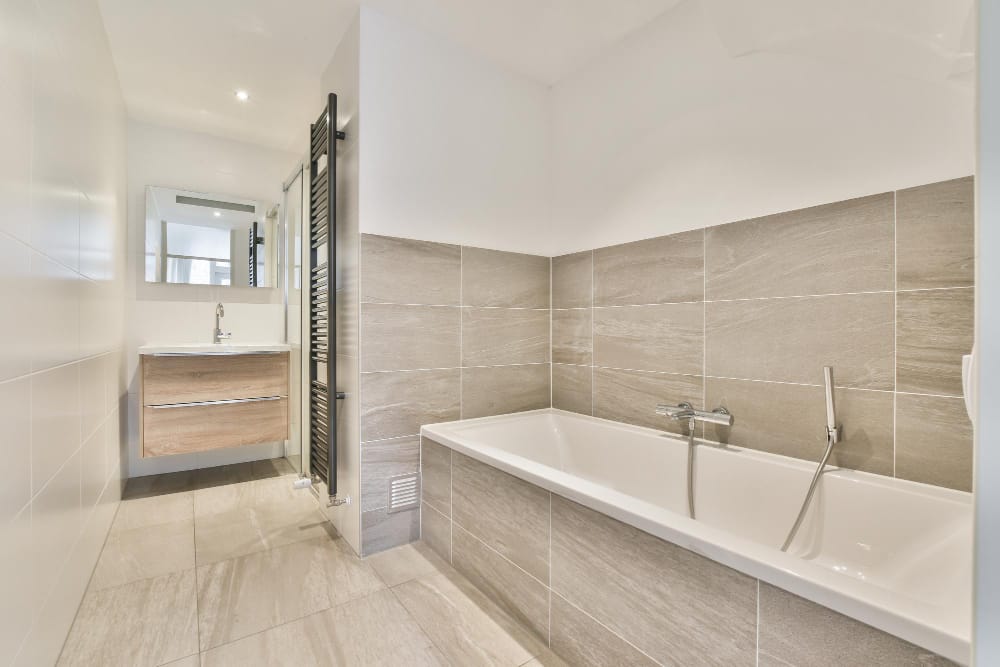
Bathroom Tub Renovation Near Me: Step-by-Step Planning for a Perfect Remodel

This guide breaks down the entire tub renovation process into clear steps: assessing your space, setting a budget, choosing a style, and working with qualified professionals. Learn how to plan a remodel that combines practicality, waterproofing, and luxury comfort.

Planning a tub renovation can feel overwhelming, but breaking the process into manageable steps makes all the difference. Whether you’re updating your space for relaxation or function, partnering with bathroom tub replacement specialists ensures you get a result that blends craftsmanship with comfort.


Step 1: Assess Your Current Space

Take a close look at your existing tub and bathroom layout. Ask:

  • Is there water damage or poor drainage?

  • Are you happy with the tub’s placement and size?

  • Does the space meet your accessibility or aesthetic needs?

Document what you like — and what you’d change — before reaching out to contractors.


Step 2: Define Your Goals

Decide whether you want a simple replacement or a full renovation. Your goal might be:

  • More comfort and style.

  • Increased safety or accessibility.

  • Improved water efficiency.

Setting clear expectations helps your contractor recommend the best design and materials.


Step 3: Set a Realistic Budget

Typical bathroom tub renovations range from $2,500 to $10,000, depending on scope and materials. Always include:

  • Demolition and installation costs.

  • Fixture upgrades (like faucets and drains).

  • Waterproofing and tile work.

  • Finishing details such as caulking, lighting, and trim.

To elevate your remodel, consider adding premium bath remodels — luxury touches like heated floors, rainfall showerheads, or freestanding tubs that increase comfort and home value.


Step 4: Choose the Right Tub

Popular styles include:

  • Freestanding: Statement-making and versatile.

  • Alcove: Efficient for smaller bathrooms.

  • Drop-in or Undermount: Perfect for customized decks.

  • Walk-in: Ideal for accessibility and safety.

Your contractor can help balance functionality with aesthetics for your specific space.


Step 5: Plan the Layout and Plumbing

Work with your contractor to review:

  • Plumbing locations and wall clearances.

  • Drain and overflow alignment.

  • Reinforcement needs for heavy tubs.

  • Waterproofing membranes for tile and flooring.

These details are critical for preventing long-term leaks or mold issues.


Step 6: Schedule and Install

A professional installation typically includes:

  1. Removal of the old tub.

  2. Repairing or replacing subflooring.

  3. Installing plumbing fixtures.

  4. Sealing and waterproofing.

  5. Final caulking, finishing, and inspection.

The process usually takes 3–5 days, depending on the complexity of the project.


Step 7: Final Checks and Maintenance

After installation, test all fixtures for leaks, clean surfaces, and ensure proper drainage. Routine care — wiping surfaces and re-caulking as needed — extends your tub’s life and beauty.


Homeowner’s Checklist

✔ Assess current space
✔ Set clear goals and budget
✔ Choose materials and finishes
✔ Verify waterproofing
✔ Perform final inspection


Wrap-Up

Renovating your tub is an opportunity to create comfort and value. By following these steps and collaborating with trusted professionals, you’ll enjoy a result that looks beautiful, functions flawlessly, and lasts for years.

👉 Ready to begin? Contact your local experts today to schedule a consultation and start planning your ideal bathroom retreat.

Wall Surrounds: A Story of Smart Choices and Lasting Beauty

Continue Reading →

How to Avoid Common Kitchen Remodeling Mistakes: Comparing Design, Budget, and Workflow Errors

Avoid the biggest kitchen renovation pitfalls with this expert comparison guide. See how design errors, budgeting oversights, and poor workflow planning can derail remodels — and how to plan for success.

Every kitchen remodel involves hundreds of small decisions — and any misstep can ripple through the entire project. The smartest homeowners study past pitfalls before starting. This ways to sidestep kitchen renovation pitfalls guide compares the three biggest problem zones — design, budgeting, and workflow — so you can remodel confidently and efficiently.


1. Design Mistakes: When Style Overshadows Function

Beautiful kitchens can still fail if they don’t function properly. Common layout and design errors include poor appliance placement, insufficient lighting, and overcrowded islands.

MistakeConsequenceSmart Fix
Oversized islandBlocks traffic and storage accessKeep 36–42″ clearance all around
Ignoring lighting layersUneven illuminationCombine task, ambient, and accent lighting
Excess open shelvingHigh maintenanceBalance with closed cabinetry
Skipping backsplash heightWall stains and damageExtend backsplash to range hood or upper cabinets

Takeaway: Prioritize the work triangle — the distance between the sink, refrigerator, and stove — and your kitchen will naturally flow better.


2. Budget Mistakes: Hidden Costs and Overconfidence

Budgeting is where most remodels go off the rails. Homeowners tend to underestimate the total cost by 15–30%.

MistakeConsequenceSmart Fix
Forgetting delivery & disposal feesProject delays, surprise chargesAsk for all-inclusive contractor quotes
Ignoring plumbing or wiring updatesCode violations, reworkAlways include mechanical upgrades
Spending too early on décorRunning out of funds for essentialsPurchase finishes last
No contingency planProject pauses midstreamSet aside 10–15% for unforeseen costs

Insight: Materials alone don’t define cost — sequence and timing do. Schedule early decisions for infrastructure and defer cosmetic choices until after framing and rough-ins.


3. Workflow Mistakes: Timing and Trade Conflicts

Even the best designs fail with poor coordination. Many remodel issues come from overlapping contractors, delayed orders, or inefficient installation sequencing.

MistakeResultSolution
Ordering cabinets lateProject delays up to 6 weeksOrder as soon as design is finalized
Installing flooring before cabinetsUneven transitions, damageAlways install flooring after cabinetry
No communication between tradesMismatched measurementsWeekly coordination meetings
Ignoring inspection scheduleFailed approvalsAlign project with local permitting office

Pro Tip: Ask your general contractor for a critical path timeline — a step-by-step schedule aligning trades, deliveries, and inspections.


4. Material Choice Confusion

The wrong material can turn a great design into a maintenance problem. In 2025, homeowners are prioritizing materials that balance luxury with longevity.

MaterialStrengthsWatch-Outs
Quartz CountertopsNonporous, heat- and stain-resistantHigher initial cost but minimal upkeep
GraniteNatural appealRequires sealing
LaminateBudget-friendlyNot heat resistant
Solid Surface (Acrylic)Seamless jointsMay scratch easily

If you’re comparing surface options, nearby quartz kitchen countertop experts offer design consultations to help match your needs with performance and style goals.


5. Comparing Short-Term vs. Long-Term Thinking

Remodel FocusShort-Term GainLong-Term Impact
Low-cost materialsQuick visual improvementFaster wear and tear
Proper ventilation & lightingHigher initial costBetter indoor air quality and energy savings
Professional design planningSlightly longer prep timeAvoids costly mid-project changes

Investing in long-term function almost always leads to higher satisfaction — and resale value.


Every remodel involves trade-offs. The key is anticipating where problems occur: in design clarity, budget allocation, or workflow coordination.

👉 Before you start, map out your priorities and request a project schedule from your contractor. Planning now ensures your dream kitchen takes shape smoothly and on budget.

how to avoid common kitchen remodeling mistakes

Continue Reading →

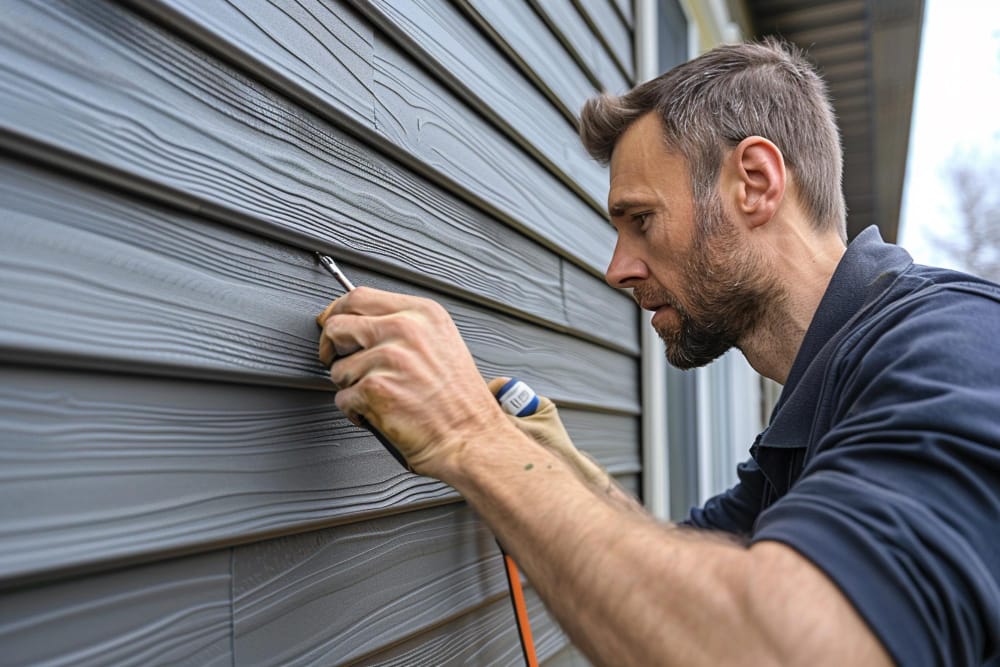
Cement Siding: 5 Common Problems and How to Solve Them

Cement siding is tough, but not flawless. From cracks to paint fading, here are 5 common problems and smart solutions to keep your home protected and beautiful for decades.

Cement siding has become a popular choice for homeowners looking for durability, fire resistance, and timeless curb appeal. But while this material is tough, it’s not immune to challenges. If you’ve been considering or already installed cement siding, it’s important to know the common problems that can arise—and more importantly, how to solve them before they cost you time and money.

Here’s a breakdown of five frequent issues and practical solutions to keep your home’s exterior looking its best.


1. Cracking and Chipping

The Problem:
Cement siding is strong, but like any cement-based product, it can develop cracks or chips over time. This usually happens because of impact damage, shifting foundations, or improper installation.

The Solution:

  • Inspect siding annually for small cracks.

  • Fill minor chips with exterior-grade patching compound.

  • For larger cracks, call a professional to ensure the underlying structure isn’t compromised.
    Pro tip: Proper installation with expansion gaps helps reduce the risk of cracking in the first place.


2. Moisture Intrusion

The Problem:
Cement siding is moisture-resistant but not waterproof. If seams, joints, or flashing aren’t sealed correctly, water can seep behind the boards and cause rot, mold, or structural damage.

The Solution:

  • Regularly check caulking around joints, windows, and doors.

  • Reapply high-quality exterior sealant as needed.

  • Ensure gutters and downspouts are directing water away from siding.
    Preventing water intrusion is far cheaper than repairing moisture damage later.


3. Paint Peeling or Fading

The Problem:
Even though cement siding holds paint better than wood, it will eventually fade or peel due to UV rays and weather exposure. A dull or uneven exterior can make a home look older than it really is.

The Solution:

  • Choose 100% acrylic paint designed for cement siding.

  • Expect to repaint every 10–15 years, depending on climate.

  • Power wash siding before painting to ensure adhesion.
    Maintaining a fresh coat of paint not only protects your siding but also boosts curb appeal instantly.


4. Improper Installation

The Problem:
Cement siding is heavy and requires precision. If it’s not installed correctly—without proper spacing, fastening, or flashing—it can lead to buckling, moisture damage, or voided warranties.

The Solution:

  • Always hire certified installers familiar with cement siding.

  • Ask about their experience and references before starting.

  • During installation, check that boards are nailed into studs (not just sheathing) and that seams align properly.
    Correct installation is the single most important factor in the long-term performance of cement siding.


5. Higher Upfront Costs

The Problem:
Compared to vinyl or wood, cement siding has a higher initial cost, both for materials and installation. For some homeowners, this price tag can be intimidating.

The Solution:

  • View it as a long-term investment: cement siding lasts 30–50 years with minimal maintenance.

  • Factor in reduced repainting, fewer repairs, and lower insurance premiums (thanks to fire resistance).

  • Look at ROI: cement siding often adds significant resale value to your home.

Yes, the upfront investment is higher, but over decades, cement siding often proves to be the most cost-effective choice.


The Bottom Line

Cement siding is one of the most durable and attractive exterior options on the market, but it does come with its share of potential issues. By addressing problems early—cracks, moisture, fading, installation errors, or budget concerns—you can ensure your siding not only protects your home but also enhances its value and beauty for decades to come.


Call to Action

Considering new cement siding or worried about existing problems? Connect with trusted local remodeling experts who can guide you through inspections, repairs, or full replacements—so your home’s exterior stays strong, stylish, and worry-free.

cement siding

Continue Reading →

Home Remodeling Mistakes You Can’t Afford to Make

Planning a remodel? Before you dive in, discover the most common—and costly—mistakes homeowners make. From budgeting blind spots to trend traps, this urgent guide breaks down each problem and offers smart, design-forward solutions. Inspired by Alison Victoria’s no-nonsense approach, it’s a must-read for anyone ready to renovate with clarity, confidence, and style.

You’ve finally decided: it’s time to remodel.
You’re dreaming of that open-concept kitchen, the spa-style bathroom, the living room that looks like it came out of a magazine. But hold on—before you swing that first hammer or approve that quote, there are mistakes lurking in the details that can crush your budget, delay your timeline, and completely derail your design.

As any designer (or battle-tested homeowner) will tell you, home remodeling isn’t just about vision—it’s about decisions. Smart ones. And fast.

So let’s break down the biggest renovation pitfalls—and exactly how to avoid them—before they cost you more than you bargained for.


❌ Mistake 1: Skipping the Planning Phase

💥 Why it’s a problem:
You fall in love with a tile on Instagram, start demo next week, and two weeks later, realize you forgot to budget for permits, plumbing reroutes, or updated electrical.

✅ The solution:

  • Create a full-scope plan before hiring.

  • Know your must-haves vs. nice-to-haves.

  • Get detailed drawings or 3D renderings to visualize before committing.
    A well-thought-out plan will save you thousands in “oops” changes mid-construction.


❌ Mistake 2: Underestimating the Budget

💥 Why it’s a problem:
You set a number based on DIY videos and Pinterest boards, then discover halfway through that the countertops you loved cost more than your entire kitchen budget.

✅ The solution:

  • Add 20–30% contingency to any remodeling budget.

  • Get itemized quotes from contractors, not just lump sums.

  • Prioritize durable, long-term investments over flashy upgrades.

If it seems “too cheap to be true,” it is. And you’ll pay double fixing shortcuts later.


❌ Mistake 3: Choosing Aesthetics Over Function

💥 Why it’s a problem:
That sleek, handle-less cabinet looks gorgeous—but try opening it with wet hands. Or that freestanding tub? Lovely… but it hasn’t been used once in 18 months.

✅ The solution:

  • Balance beauty with usability.

  • Think about how you actually live in the space.

  • Ask: “Will this still work for me in 5 years?”

Form follows function. Always.


❌ Mistake 4: Not Vetting Your Contractor

💥 Why it’s a problem:
They were the cheapest bid, they seemed friendly, and they could “start tomorrow.” Three red flags. And now your remodel is delayed 10 weeks with walls open and no one answering calls.

✅ The solution:

  • Get referrals, reviews, and before-and-after photos.

  • Ask for license and insurance.

  • Interview at least 2–3 contractors.

  • Don’t just ask “how much?” Ask: “How do you handle surprises?”

A great contractor makes the entire process smoother. A bad one can cost you your sanity.


❌ Mistake 5: Ignoring the Power of Lighting

💥 Why it’s a problem:
You spend thousands on cabinetry and tile, but rely on one overhead light—and everything looks flat, cold, or shadowy.

✅ The solution:

  • Plan lighting in layers: ambient, task, and accent.

  • Use dimmers, under-cabinet strips, and sconces.

  • Natural light is gold—maximize windows when possible.

Bad lighting makes great design look cheap. Good lighting makes everything feel elevated.


❌ Mistake 6: Following Trends Too Closely

💥 Why it’s a problem:
That all-gray palette and sliding barn door? Already dated. Trend-driven choices don’t always age well—and they can make your home feel generic fast.

✅ The solution:

  • Use trends sparingly—in paint, decor, or hardware.

  • Keep expensive elements (tile, counters, flooring) timeless.

  • Let your personality—not Pinterest—lead the way.

Design is personal. Don’t build your remodel around what looks hot right now.


❌ Mistake 7: Overlooking Resale (Even If You’re Staying)

💥 Why it’s a problem:
You might love that bold, bright-red kitchen—but buyers won’t. Or worse, you remove the only bathtub in the house for a second rain shower, lowering the market value.

✅ The solution:

  • Think about how your remodel adds to your home’s long-term value.

  • Avoid overly customized layouts that limit future buyers.

  • Keep key features (like a tub or home office potential) intact.

Design for your lifestyle, but don’t design in a vacuum.


Final Takeaway:

Remodeling isn’t just about what you add—it’s about what you avoid.

A beautiful home starts with smart decisions. And the truth is, most renovation disasters don’t happen because of one big misstep—they come from a dozen little ones you didn’t see coming.

So before you knock down that wall or order imported tile, pause.
Plan. Budget. Vet. Ask questions. And surround yourself with people who know how to bring big ideas to life—without bringing your home to a halt.

home remodeling

Continue Reading →

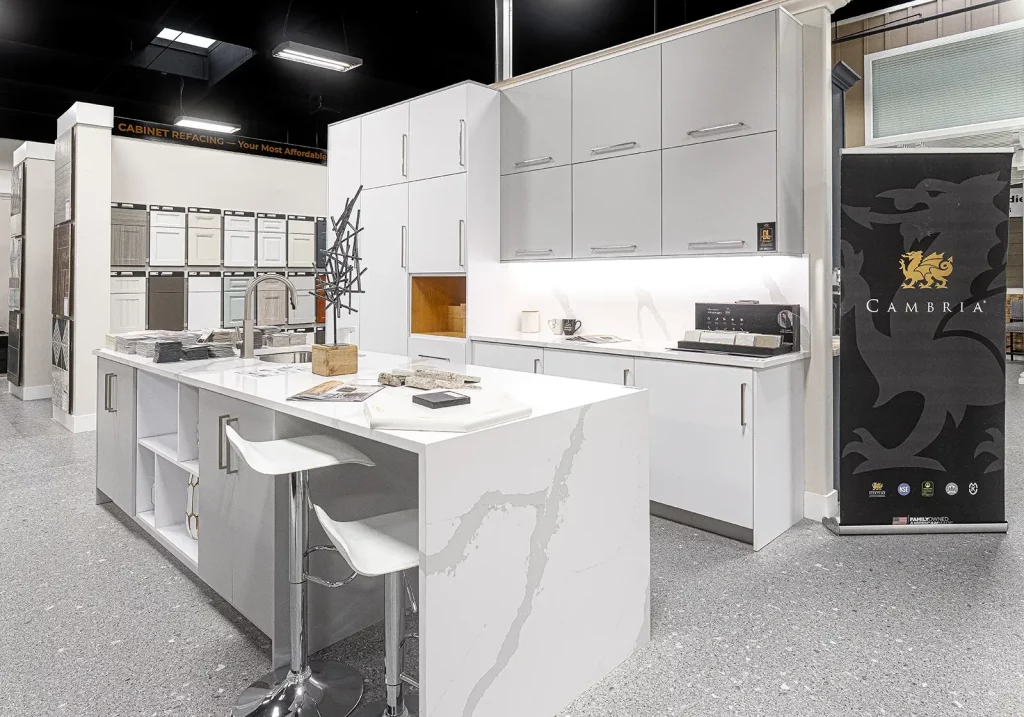
Kitchen Showrooms Sacramento: 5 Headaches You Can Totally Avoid

Kitchen showrooms in Sacramento can be inspiring — or overwhelming. This fun, no-fluff guide breaks down five common showroom headaches and how to avoid them. From budget spirals to finish overload, learn how to shop smarter, ask better questions, and walk away with materials you love. Inspired by Alison Victoria’s fearless design voice, this article is packed with bold advice (and a few laughs) for homeowners ready to remodel like pros.

Let’s be real — walking into a kitchen showroom is kind of like opening your fridge when you’re starving. Everything looks amazing, nothing makes sense, and you instantly forget why you came in the first place.

If you’re checking out kitchen showrooms in Sacramento, you’re probably hunting for inspiration, quality materials, and maybe a little designer magic. But without a game plan? You’re one floating shelf away from a meltdown in the countertop aisle.

Good news: we’ve seen the chaos, lived the drama, and built a list of the five biggest headaches — and how to totally avoid them.


😵‍💫 Headache #1: The Overwhelm Is Very Real

The Problem:
You step into a showroom for “a quick look at cabinets” and suddenly you’re 47 minutes deep into a conversation about sink flange finishes. The walls are lined with tile samples. Someone just said “thermofoil” like it’s a word everyone knows.

The Fix:
Show up with three non-negotiables:

  1. A photo of your current kitchen

  2. A list of what’s driving you crazy about it

  3. Two design styles you love (no more, no less)

You don’t need to know everything — just bring your vision. Let the experts at kitchen showrooms Sacramento handle the fancy terms. You’re here to make decisions, not learn a new language.


🪵 Headache #2: Falling for Looks Over Function

The Problem:
That matte black cabinet? Gorgeous. But it shows every fingerprint like it’s auditioning for CSI. And those open shelves? You’re not Marie Kondo.

The Fix:
Ask every showroom associate the same three questions:

  • How does this hold up with kids/pets/messy roommates?

  • What’s the cleaning situation like?

  • If this were your kitchen, would you install it?

Their facial expression will tell you more than the product brochure ever will.


🤔 Headache #3: The Budget Black Hole

The Problem:
You walk in thinking, “We’ll just reface the cabinets.” You walk out budgeting for a 10-foot quartz waterfall island, imported backsplash tile, and a smart faucet that texts you when it senses hydration needs.

The Fix:
Set two budgets before you visit:

  • Your real budget (what you plan to spend)

  • Your stretch budget (what you’ll spend if you fall in love with slab #37)

Showroom pros are fantastic — but they’re also trained to upsell. Control the narrative by being transparent upfront. A good consultant will work within your range and still make it look like a dream.


🧩 Headache #4: Mixing Materials Like a Mad Scientist

The Problem:
Quartz! Marble! Wood! Matte brass! Textured tile! You love everything. And now your sample bag looks like a design fever dream.

The Fix:
Stick to one statement material and two supporting finishes. (Think: hero + best friends, not 6 main characters in a reality show.)

Use showroom lighting to your advantage. What looks sleek under LEDs might be totally different in your morning sun. Take samples home and live with them for a few days — your gut never lies.


🤯 Headache #5: Thinking the Showroom Is the Final Step

The Problem:
You assume visiting kitchen showrooms Sacramento means you’re done. But wait — you still need to schedule contractors, finalize the layout, confirm lead times, and make peace with the fact that your kitchen might be out of commission for weeks.

The Fix:
Use your showroom visit to ask about:

  • Installation timelines

  • Preferred contractors

  • How to phase the remodel if you’re living in the space

And while you’re at it, ask for a reality check: “What’s one thing clients wish they’d known before starting?” You’ll get golden advice from someone who’s seen it all.


🏁 Final Thoughts: Showroom Smarts Win Every Time

A showroom can be your best friend or your worst design spiral — depending on how you prep. The goal isn’t to know everything — it’s to know yourself, your home, and your must-haves.

So next time you search kitchen showrooms Sacramento, go in with confidence, clarity, and a little humor. And maybe a coffee. Definitely coffee.

Because a well-designed kitchen doesn’t start with tile — it starts with a homeowner who asks the right questions (and knows when to say no to sample #112).

kitchen showrooms Sacramento

Continue Reading →

Tired of Your Bathroom Holding You Back? Here’s the Remodel Sacramento Homes Desperately Need

Still tolerating a dated, inefficient bathroom? This fast-paced, Alison Victoria–inspired guide highlights five urgent problems homeowners face—and how a smart, well-planned bathroom remodel in Sacramento CA can solve them. From wasted space and energy-draining fixtures to mold-prone materials and outdated layouts, this article offers clear, high-impact solutions. Learn how to reconfigure for flow, install energy-efficient features, and future-proof your design with timeless materials and smart storage.

If you’ve been silently putting up with a dingy, dysfunctional bathroom—stop. Right now.

Because when it comes to home value, daily comfort, and even your sanity, your bathroom might be doing more harm than good. And if you’re in Sacramento? The timing for a smart bathroom remodel Sacramento CA couldn’t be better—or more urgent.


🚨 Problem #1: Your Layout Wastes Space

That tub you haven’t used since 2009? The vanity that blocks the outlet? The shower that’s smaller than a walk-in closet?

These layout fails aren’t just annoying—they’re lowering your home’s functionality and marketability.

Solution:

  • Replace oversized tubs with curbless walk-in showers

  • Shift plumbing to maximize vanity space

  • Use floating vanities and recessed storage to open up floor area

  • Redesign for flow, not just fixtures

A thoughtful reconfiguration can make a 50-square-foot bathroom feel like 100—and actually usable.


💡 Problem #2: Outdated Fixtures Cost You Money (and Style)

That old toilet and single-function showerhead? They’re draining your water bill and dating your home. And don’t even get us started on the Hollywood-strip vanity light.

Solution:

  • Install WaterSense-labeled toilets and faucets

  • Upgrade to thermostatic shower systems for efficiency and comfort

  • Add layered LED lighting for beauty and brightness

  • Choose finishes that are timeless—think brushed brass or matte black

Modern fixtures don’t just look better—they save energy, reduce water waste, and feel like a serious lifestyle upgrade.


🧱 Problem #3: Crumbling Materials Are a Mold Magnet

Moldy grout. Warped baseboards. That weird musty smell you’ve just learned to ignore? Don’t.

These aren’t “little quirks”—they’re signs your bathroom’s aging infrastructure is overdue for an overhaul.

Solution:

  • Use large-format porcelain tile with waterproof membranes

  • Replace drywall with cement board in wet areas

  • Install proper ventilation (yes, that means upgrading that rattling fan)

  • Seal every seam like resale depends on it—because it does

Ignoring these issues now means paying more later—in repairs, lost value, and maybe even health.


🪞 Problem #4: Your Bathroom Just Doesn’t Work for Your Life

You’re sharing a sink. You have no place to plug in a hair dryer. Your towels live…on the floor?

Solution:

  • Add double vanities where possible

  • Build in hidden outlets, charging drawers, and built-in organizers

  • Add a linen tower or open shelving with baskets

  • Customize storage to your habits—not the other way around

A well-designed bathroom isn’t a luxury—it’s a life upgrade.


🔥 Problem #5: You’re Losing Value Every Day You Wait

Sacramento’s real estate market remains strong, but buyers are savvy. An outdated bathroom screams project, not potential.

Solution:

  • A midrange bathroom remodel Sacramento CA costs ~$25K–$35K

  • ROI averages 60–70%, especially when the remodel includes smart layout, energy efficiency, and modern finishes

  • Homes with updated bathrooms sell faster and closer to asking price

Time isn’t your friend here. The longer you wait, the more value—and comfort—you leave on the table.


✅ Final Word from Alison Victoria (and Us)

You don’t have to live with bad lighting, awkward layouts, or grout older than your mortgage. A bathroom remodel doesn’t just fix what’s broken—it elevates your entire home.

So stop managing the mess. Start fixing the future.


🧰 CALL TO ACTION

Don’t wait. If your bathroom is behind, now’s the time to get ahead.
Our Sacramento-based design team delivers fast, high-impact remodels that blend beauty, efficiency, and real estate savvy. Book your consult—before mold gets another day.

Tired of Your Bathroom Holding You Back? Here’s the Remodel Sacramento Homes Desperately Need

Continue Reading →

Granite Countertops: A Comparative and Formal Examination of a Timeless Material

Follow Mia and Jordan’s journey as they refresh their kitchen with new countertops. Discover each smart step they took to create a stunning, Granite countertops offer timeless beauty and impressive durability. This formal, comparative guide evaluates granite against other materials to help you make an informed choice.space.

When it comes to selecting the right surface for kitchens and bathrooms, granite countertops have remained a favored choice among homeowners and designers for decades. However, it is important to consider granite within the broader landscape of available materials to determine whether it is the optimal choice for your project.

Drawing on the refined and thoughtful approach characteristic of Sarah Richardson, this article presents a comparative analysis of granite countertops, weighing their advantages and limitations alongside alternative materials.


Granite Countertops vs. Quartz Countertops

FeatureGraniteQuartz
CompositionNatural stoneEngineered stone (natural quartz + resins)
AppearanceUnique, varied patternsUniform, customizable patterns
DurabilityHighly durable; can chip with impactHighly durable; slightly more resilient to impact
MaintenanceRequires periodic sealingVirtually maintenance-free
Cost Range (per sq. ft.)$50–100$60–120

Analysis:

  • Granite offers one-of-a-kind aesthetics but demands more care.

  • Quartz provides ease of maintenance at a slightly higher average cost.

Design Insight: Choose granite if you prioritize natural beauty and individuality; select quartz for consistency and convenience.


Granite Countertops vs. Marble Countertops

FeatureGraniteMarble
AppearanceBold, speckled, or veined patternsClassic, subtle veining
DurabilityHarder and less porousSofter, more prone to staining and etching
MaintenanceSealing recommended annuallySealing required frequently
Best UseKitchens, high-traffic areasBathrooms, low-traffic areas

Analysis:

  • Granite is better suited for kitchens due to its superior durability.

  • Marble, while elegant, requires a more delicate maintenance routine.

Design Insight: If you admire the sophistication of marble but live a “busy kitchen” lifestyle, granite offers a more forgiving alternative.


Granite Countertops vs. Solid Surface Materials (e.g., Corian)

FeatureGraniteSolid Surface (Corian, etc.)
DurabilityVery highModerate; scratches more easily
Aesthetic AppealNatural beautyManmade, customizable
Heat ResistanceExcellentModerate (requires trivets)
RepairabilityChips require professional repairMinor scratches can often be sanded out

Analysis:

  • Solid surfaces offer design flexibility and repairability, but lack the natural prestige of granite.

  • Granite delivers superior heat resistance and timeless appeal.

Design Insight: For a kitchen where formality and permanence are priorities, granite remains the preferred choice.


Summary of Key Considerations

  • Aesthetic Diversity: Granite’s natural beauty and unique slab variations remain unmatched.

  • Maintenance Requirements: Regular sealing is essential but manageable with proper care.

  • Durability: Excellent for daily wear and heat resistance, making it ideal for busy kitchens.

  • Cost: Competitive with other high-end surfaces, offering significant long-term value.

Sarah Richardson’s Philosophy: Thoughtful material selection must balance beauty, practicality, and long-term satisfaction. Granite often achieves that delicate equilibrium.


Final Thoughts

Granite countertops present a compelling blend of luxury, functionality, and individuality. When thoughtfully selected and properly maintained, they offer a lasting enhancement to the heart of any home.

For homeowners seeking a surface that delivers timeless style and enduring performance, granite remains a distinguished and worthy investment.

Call to Action

Interested in exploring the unique beauty and durability of granite countertops for your home? Our expert team can help you select the perfect slab to complement your vision.

Kitchen remodel prices Dorado Hills CA

Continue Reading →

Countertops: A Step-by-Step Story of Transforming a Kitchen with Nate Berkus-Style Inspiration

Follow Mia and Jordan’s journey as they refresh their kitchen with new countertops. Discover each smart step they took to create a stunning, personal space.

When Mia and Jordan decided it was time to update their kitchen, they quickly realized that nothing would make a bigger impact than new countertops. Their scratched laminate and outdated beige tiles weren’t just unattractive—they were dragging down the entire space.

Inspired by the idea that a home should tell your story (thanks, Nate Berkus!), they set out on a countertop journey that changed everything. Here’s how they did it—and how you can too.


Step 1: Recognize the Need for Change

Mia was baking one evening when her rolling pin snagged on a deep gouge in the countertop. Jordan said, “Maybe it’s finally time.”

If your countertops are stained, cracked, or just plain tired, it’s not just a cosmetic issue—it’s a sign your kitchen is ready for new life.


Step 2: Set a Budget (and Stick to It)

Mia and Jordan agreed upfront on a budget range—smart move.

  • They factored in material, installation, and a small buffer for unexpected costs.

  • They prioritized quality over trendiness, knowing timeless choices would serve them longer.

Nate’s Tip: Good design balances aspiration and practicality.


Step 3: Choose the Right Material

They explored all the options:

  • Quartz: Durable, non-porous, wide range of styles

  • Granite: Natural, beautiful, unique patterns

  • Marble: Elegant but high maintenance

  • Butcher Block: Warm and inviting, but requires regular care

Ultimately, they chose a soft, marble-look quartz—timeless, durable, and stunning.

Design Insight: Choose a material that matches your lifestyle, not just your Pinterest board.


Step 4: Select a Color and Finish

Instead of going ultra-modern or ultra-traditional, they picked a neutral tone that bridged both styles—a subtle veined white with a soft matte finish.

Key Detail: The finish matters. Matte or honed surfaces feel modern and forgiving. High-gloss finishes can look luxurious but show every fingerprint.


Step 5: Plan for Installation

Professional installation was non-negotiable.

  • The team templated the counters precisely.

  • They scheduled demo and installation to minimize kitchen downtime.

  • They prepared by clearing everything—yes, everything—off their old counters.

Pro Move: Investing in experienced installers made the difference between “good enough” and “absolutely perfect.”


Step 6: Accessorize Thoughtfully

New countertops deserve beautiful accessories. Mia and Jordan updated their backsplash with handmade tiles and chose a few simple, elegant items—like a marble fruit bowl and brushed brass faucet—to finish the look.

Nate’s Design Wisdom: Less clutter, more impact. Let your materials shine.


Final Thoughts

Mia and Jordan’s kitchen wasn’t just upgraded—it was transformed into a space that felt authentically them. Elegant, durable, personal.

Nate Berkus would say: The best rooms tell your story—and in this case, the story started with the perfect countertops.

Call to Action

Ready to start your own countertop transformation? Our team can help you choose the right material, style, and finish—and bring your dream kitchen to life.

Kitchen remodel and cost Orangeville CA

Continue Reading →