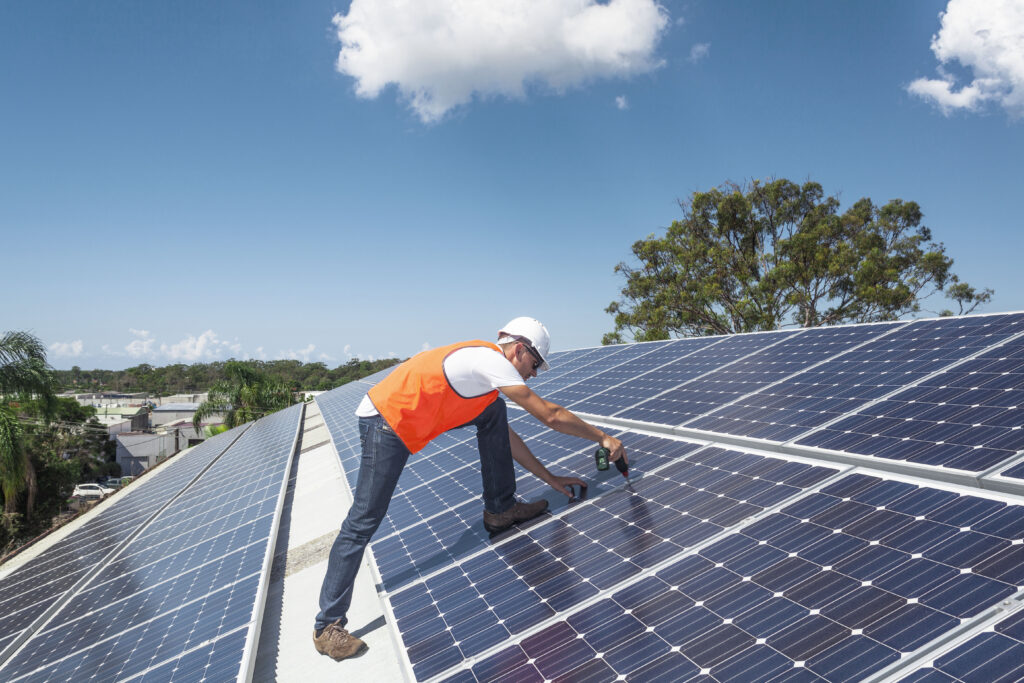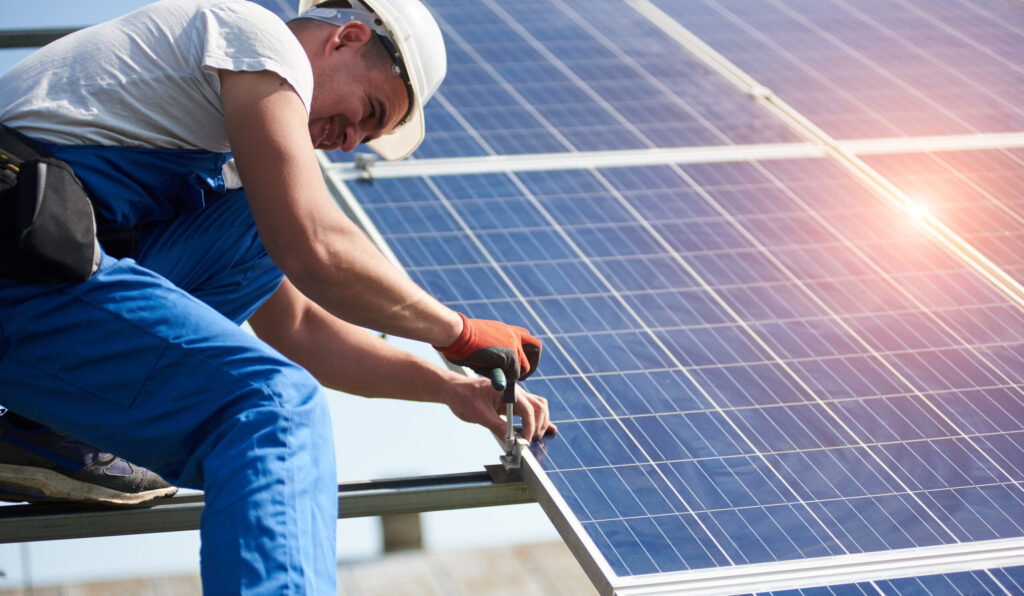
For most of its life, a roof is asked to perform a remarkably focused task. It separates the controlled interior of a building from everything happening above it—sun, wind, rain, snow, temperature shifts, falling debris, and the slow pressure of time. We rarely think of that surface as productive infrastructure. It is protection first, architecture second, and often little else.
Solar changes that relationship.
The moment an array is introduced, the roof acquires another responsibility. It becomes the physical platform for an energy-producing system, and two assemblies with different purposes must begin sharing the same structure. One is designed primarily to manage weather and protect the building. The other is positioned to capture sunlight and convert it into usable electricity.
The quality of the project depends on whether those purposes are allowed to coexist from the beginning.
“The moment solar panels are placed above a roof, two systems with different purposes begin sharing the same structure.”
Chapter One: Before the First Panel
Solar projects naturally encourage us to look upward. We think about sunlight, panel orientation, available roof area, shade, and the clean geometry of a finished array. Yet thoughtful Solar Installation begins with a quieter question: What condition is the roof in before anything is attached to it?
This matters because a solar array does not erase the roof beneath it. The roof will continue to experience weather, drainage, thermal changes, and aging after the panels are installed. Flashing will still matter. Valleys will still collect and redirect water. Penetrations and transitions will still require attention. The underlying roofing material will continue through its own service cycle.
A roof assessment therefore becomes part of solar planning rather than a separate conversation to postpone until later. The existing roof covering should be understood. Areas with evidence of damage or previous leakage deserve investigation. Flashing, drainage paths, penetrations, and other significant details should be considered in relation to the proposed array.
Roof geometry matters too. A large uninterrupted plane presents different opportunities from a roof divided by valleys, dormers, skylights, vents, chimneys, or equipment. Orientation and shading influence the solar design, while the available roof area must also accommodate applicable access, setback, equipment, and project requirements.
Then there is the question that is easy to ignore when everyone is focused on the new equipment: How does the expected condition of the roof align with the solar project?
If significant roofing work is already justified by existing conditions, completing solar installation first can create an avoidable future coordination problem. Panels and related components may later need to be removed or otherwise accommodated so roofing work can proceed. On the other hand, a serviceable roof should not automatically be replaced merely because solar is being considered. The decision belongs to the actual condition of the assembly.
The goal is alignment.
A roof assessment should help establish what remains serviceable, what requires correction before solar work begins, and which areas deserve documentation for future maintenance. Structural considerations should likewise be evaluated according to the building, proposed system, and applicable project requirements rather than assumed from appearance alone.
“A solar project looks upward toward the sun, but its first serious question should be directed downward toward the roof.”
There is something almost counterintuitive about this approach. Solar technology is forward-looking, but successful installation begins by studying what already exists. The history of the roof—its materials, repairs, transitions, drainage, and present condition—becomes part of the design for the energy system that will sit above it.
Before the roof can produce energy, it must remain capable of being a roof.
Chapter Two: Two Systems Learn to Share One Roof
Once the roof is understood, the project changes character. The question is no longer whether panels can physically fit on a particular plane. It becomes how an electrical generation system can be integrated without losing sight of the roofing assembly underneath it.
Mounting is where that relationship becomes tangible. Depending on the roof and solar system, attachments, mounting components, flashing or waterproofing details, and other interfaces must be coordinated with the existing or new roofing system. These are not incidental construction details. They are the physical points where solar infrastructure and weather protection meet.
Panel layout has consequences beyond appearance and electrical production. The arrangement must consider roof geometry, obstructions, drainage, access needs, applicable requirements, and future serviceability. Wiring and associated equipment introduce additional routes and interfaces that should feel planned rather than added after the panel layout has already been decided.
A roof under solar still needs to be inspected, maintained, drained, repaired, and eventually renewed.
That future should influence today’s layout.
Consider a small roof penetration that requires service several years after the array is installed. Can it be reached? Consider a drainage path beneath or adjacent to panels. Can debris be identified and managed where necessary? If roofing work becomes necessary in one portion of the building, is there documentation showing where solar attachments and associated components are located?
These questions may feel less exciting than discussing solar production, but they are part of designing a building that can be maintained rather than merely completed.
For Solar Panel Installation in Lake Tahoe, the relationship between roof and solar deserves particularly careful project-specific consideration. Snow conditions, roof slope, elevation, surrounding trees, seasonal shading, drainage, freeze-thaw exposure, and the building’s structural requirements can all influence design decisions.
Snow is especially important because adding an array changes the geometry and surface conditions above portions of the roof. How snow accumulates, moves, or sheds cannot responsibly be reduced to one generic Lake Tahoe number. Site location, roof configuration, proposed equipment, structural design criteria, and applicable requirements all matter.
The same is true of structure. A photograph of a roof cannot establish its capacity for a proposed solar installation. The relevant building information and project requirements need to guide that determination where structural evaluation is required.
Trees introduce another layer of complexity. They may create seasonal shading patterns that affect solar planning, while needles, leaves, branches, or other debris can influence roof maintenance. A panel arrangement that appears efficient on a drawing should still be considered in the physical context of the property.
And beneath all of this, water continues to move.
Rain and snowmelt still need drainage paths. Valleys still have to function. Roof edges remain important. Flashing continues to protect transitions. Solar components should therefore be understood not as a second surface that replaces the logic of the roof, but as infrastructure installed within that logic.
“The most successful solar roof is not the one with the greatest number of panels. It is the one in which energy production and roof performance were designed to coexist.”
That distinction changes the measure of a successful installation. Production matters, of course, but so do weather protection, structural suitability, access, drainage, electrical integration, and the ability to maintain both systems over time.
The solar array and the roof do not have to compete for priority. They have to be designed as neighbors that will occupy the same building for years to come.
Chapter Three: The Roof After Solar
Most stories about solar installation end at activation. The panels are aligned, the electrical work is complete, the system is commissioned according to the project requirements, and the roof has acquired an entirely new purpose. It is an appealing ending because everything feels finished.
For the building, however, this is only the beginning.
The roof beneath the solar array continues its ordinary life. It expands and contracts with temperature. Water continues to move toward valleys, gutters, drains, and edges. Leaves, needles, dust, and other debris may collect in exposed areas. Flashing continues to protect transitions. Penetrations remain part of the weather-management system. The roofing material continues to age according to its own conditions and exposure.
Solar does not suspend the maintenance cycle of a roof. It changes the way that cycle must be managed.
That is why documentation at the completion of a solar project has lasting value. Photographs of relevant roof conditions, mounting and flashing details where appropriate, equipment locations, wiring routes, and other useful project information can create a record of what changed when solar was installed. Product documentation, warranties, permits or approvals where applicable, and installation records should be preserved alongside existing roofing information.
Years later, that archive can answer questions that memory cannot.
If a leak appears, where are the solar attachment points relative to the affected interior area? Was a penetration present before the solar project, or was it introduced later? Which portion of the roof was repaired before installation? Which contractor completed each scope? What manufacturer requirements apply if equipment needs to be temporarily moved?
Without records, investigation begins with uncertainty. With records, the building has a history.
“The installation date should not be the last time the roofing and solar systems are considered together.”
Routine roof inspections take on a slightly different character after solar installation. The roofing areas beneath and around an array may not offer the same visibility or access as an unobstructed roof plane. Drainage paths, penetrations, flashing, exposed roof areas, array perimeters, and locations affected by maintenance traffic deserve thoughtful attention according to the specific system and building.
Solar equipment itself also requires service over time. When technicians need roof access, their work takes place on an existing weather-management surface. Access routes and maintenance procedures should respect the roofing system rather than treating it as a durable platform that cannot be damaged.
This becomes even more important when other building work is introduced. A new vent, mechanical component, electrical modification, or roof repair may interact with the solar layout. Changes should be coordinated rather than improvised around panels and mounting components.
Eventually, almost every owner with rooftop solar must confront a larger question: What happens when the roof itself needs substantial work?
The answer should ideally have been considered before the original solar installation.
Depending on the project, portions of the solar system may need to be removed or otherwise accommodated to provide appropriate access for roofing work. Reinstallation then becomes its own coordinated task. Responsibility for removal, storage or handling, reinstallation, inspection, electrical work, roof detailing, and system recommissioning should be understood before work begins.
Warranty requirements deserve equal attention. Roofing materials, roofing workmanship, solar equipment, mounting components, and solar installation may be governed by different warranty documents or requirements. Property owners should avoid assuming that one warranty automatically covers another contractor’s work or that moving equipment has no effect on existing terms.
Read the documents while the roof is dry, accessible, and functioning—not for the first time during an urgent repair.
This is where coordination becomes a long-term management principle rather than an installation detail. The roofer needs to understand the conditions created by the solar system. The solar professional needs to respect the requirements of the roof. When future work affects both, responsibility should be established before materials or equipment are disturbed.
The principle is particularly valuable for properties where snow, trees, roof geometry, or other site conditions make access more complex. What appears straightforward during initial construction may feel very different years later when a technician needs to reach a specific flashing detail beneath or beside an established array.
A simple project record can preserve remarkable clarity. Keep the roof specification, solar layout, relevant photographs, warranty documents, contractor information, repair records, and notes about subsequent modifications together. Every time the roof or solar system changes, update that history.
The result is not glamorous. No one sees a maintenance file from the street. Yet this quiet documentation may become one of the most useful parts of the project because it allows future decisions to begin with knowledge instead of reconstruction.
Solar changes what we ask a roof to do. A surface once devoted almost entirely to shelter becomes a platform for electrical infrastructure, mounting equipment, wiring, and energy production. That transformation can be remarkably elegant when the new function respects the old one.
It begins before the first panel, with an honest assessment of the roof beneath it. It continues during design, when solar production, attachment, drainage, structural considerations, access, and weather protection are asked to coexist. And it continues long after installation, through inspection, maintenance, documentation, repair, and eventually the next generation of roofing work.
“Solar changes what we ask a roof to do. It is no longer merely shelter above us; it becomes working infrastructure.”
The best solar installation does not simply occupy a roof. It respects the roofing system beneath it, the building below it, and the maintenance decisions that will follow. Panels may be the most visible evidence of the transformation, but the true measure of integration lies in everything that continues to work quietly around and beneath them.
Look upward and you see energy being captured from sunlight.
Look beneath it and you should still find a roof doing exactly what a roof was always meant to do.